
Air Conditioning Systems: Inspection Observations, Operation & Common Concerns
Written by Erich Kamprath, CPI. Dedicated to Education and Setting Minds at Ease in Okanagan Real Estate.
How Air Conditioning Systems Are Evaluated During a Home Inspection
Why Air Conditioning Matters in the Okanagan
In the Okanagan, air conditioning systems are relied on heavily during a relatively short period of the year. Many systems sit idle through cooler months, then are expected to operate consistently once summer temperatures arrive. This seasonal use pattern is one reason air conditioning functionality is commonly checked during warm-weather home inspections.
Key Inspection Takeaways
- Air conditioning systems are evaluated for observed condition and basic operation at the time of inspection
- Seasonal use patterns in warmer climates can cause issues to surface during first sustained operation
- System age, physical condition, and visible maintenance indicators influence inspection findings
- A system producing cool air may still show inspection-relevant concerns
- Inspection observations focus on risk context rather than performance guarantees or lifespan predictions
Seasonal Demand and Real-World Use Patterns
High Summer Demand and Sustained Operation
When outdoor temperatures rise, systems may be required to run for extended periods of time. Areas such as West Kelowna are particularly concentrated with south-facing homes. Under these heavy use conditions, airflow restrictions, drainage concerns, or general performance limitations can become more noticeable than they would during occasional or short-duration use.
Deferred Use and Early-Season Performance Concerns
Because many systems are not operated regularly for months at a time, issues are often first observed when the unit is placed back into regular service. These concerns may relate to basic operation, moisture management, or inconsistent performance once the system begins running under normal summer conditions.
Timing Matters When Systems Are First Put Back Into Use
Initial Operation and System Response
The first sustained operation of the season is when functional concerns are most commonly identified. During inspections, this can include observations related to startup behavior, unusual sounds, operational stability, and whether the system appears to respond normally to thermostat demand.
Why AC Functionality Is Checked During Warm-Weather Inspections
Home inspections do not verify long-term performance or efficiency, but warm-weather conditions allow basic operation to be evaluated in a realistic context. Confirming that the system can start, run, and provide cooling at the time of inspection helps homeowners and buyers understand current conditions and whether further evaluation may be appropriate.
Scope of an Air Conditioning Assessment During a Home Inspection
Air conditioning systems are evaluated as part of a home inspection to help establish their observed condition and basic functionality at the time of inspection. The scope of this assessment is limited and non-invasive, and it is important for homeowners and buyers to understand what is and is not included.
What a Home Inspection Typically Assesses
- Whether the system starts and responds to normal controls
- Basic cooling operation under current conditions
- Visible condition of accessible components
- Obvious signs of leakage, damage, or abnormal operation
- General airflow presence at vents or indoor units
What a Home Inspection Does Not Evaluate
- System efficiency, output ratings, or capacity calculations
- Internal mechanical condition of compressors or motors
- Refrigerant charge levels or system pressures
- Long-term performance, reliability, or remaining service life
- Compliance with manufacturer specifications beyond visible installation concerns
Understanding the scope of an air conditioning assessment helps set realistic expectations for what a home inspection can provide. The goal is not to evaluate system efficiency or predict future performance, but to document observed conditions and basic operation at the time of inspection. Where concerns are identified, further evaluation by a qualified HVAC professional may be recommended.
Outdoor Air Conditioning Units: Common Inspection Observations
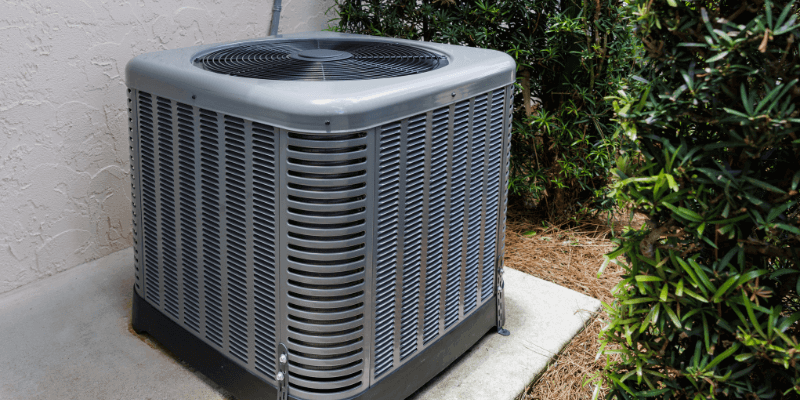
Outdoor air conditioning units are one of the most visible components of a cooling system, and they often provide early clues about how the system has been cared for over time. During inspections, I find that many concerns relate less to whether the unit is currently operating and more to age, physical condition, and signs of deferred maintenance.
Age, Wear, and Deferred Replacement
Older Units Still in Service
During inspections, I regularly encounter older air conditioning units that remain in service simply because they are still running. These systems are often not replaced until they experience a full breakdown. While many older units continue to provide cooling at the time of inspection, their age and overall condition are noted because older equipment generally carries a higher risk of failure moving forward.
Condition Versus Current Operation
It is common for homeowners and buyers to assume that if a system produces cool air, it must be in good condition. In practice, I often see units that operate normally but show visible deterioration, corrosion, or general wear consistent with long-term use. These observations are important because current operation does not eliminate the potential for age-related or condition-related concerns.
Physical Damage and Maintenance-Related Concerns
Damaged or Obstructed Condenser Fins
Physical damage to outdoor units is something I see fairly often during inspections. In areas such as Lake Country, where outdoor units are often installed directly in landscaped or multi-use yard spaces this commonly includes bent or crushed condenser fins caused by lawn mowers, yard equipment, or vehicles. In other cases, the fins are heavily soiled due to long-term neglect. While this type of damage does not always prevent the system from operating, it can restrict airflow and is documented as a maintenance-related concern.
Clearance and Airflow Restrictions
I also frequently observe outdoor units surrounded by stored items, fencing, or overgrown vegetation. These conditions reduce airflow through the condenser and can place additional strain on the system during extended operation. Because clearance issues are often correctable, they are noted during inspections as part of assessing the overall condition of the unit.
Taken together, these observations help distinguish between systems that are simply operating and systems that show signs of wear, damage, or deferred maintenance. While many outdoor units continue to function despite these conditions, documenting them during an inspection helps homeowners and buyers understand potential risks and maintenance considerations beyond whether the system is currently producing cool air.
Indoor Components: Drainage and Moisture Observations
Indoor air conditioning components are often less visible than outdoor units, but they tend to carry greater risk when problems are present. During inspections, I pay close attention to signs of moisture, drainage performance, and overall condition, as these issues are more likely to contribute to property damage if left unaddressed.
Condensate Drainage and Moisture Management
Condensate Leakage and Staining
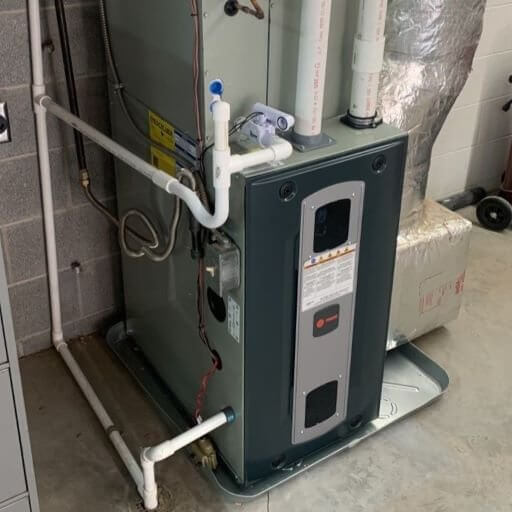
In old town areas such as Vernon or the North Okanagan, where many homes still rely on older mechanical layouts or have undergone partial system upgrades over time, condensate drainage issues are something I encounter regularly during inspections. In practice, this tends to be roughly split between minor indicators—such as staining or dampness—and active dripping at indoor coils, air handlers, or associated drain lines. These conditions are commonly observed in mechanical rooms, utility spaces, or adjacent finished areas.
System Age and Drainage Design Limitations
Heavier or ongoing condensate leakage is most often associated with older air conditioning systems. Many older units were not designed with long-term condensate management in mind, and drainage components may deteriorate or become less effective over time. While newer systems can still show minor leakage under certain conditions, more significant moisture issues are far more commonly observed in older equipment.
Electrical Concerns and Relative Risk
Electrical Issues Are Uncommon
During inspections, I rarely encounter electrical concerns specific to air conditioning equipment. Compared to other mechanical systems, most AC-related findings tend to involve moisture management or general condition rather than electrical faults.
Why Moisture Observations Carry Greater Weight
Moisture-related observations are given greater weight because of their potential impact on surrounding materials and finishes. Even when a system is operating normally, evidence of condensate leakage is documented to help homeowners and buyers understand the potential for hidden or developing damage, particularly in older systems.
Indoor air conditioning observations often focus less on whether the system is producing cool air and more on how effectively moisture is being managed. Identifying drainage concerns during an inspection helps distinguish between systems that are simply operating and those that may present a higher risk of future damage due to age-related or design-related limitations.
System Operation Versus Observed Condition
One of the most common misunderstandings surrounding air conditioning systems is the assumption that producing cool air automatically means the system is free of concerns. While comfort is an important function of any cooling system, inspections assess more than immediate output when evaluating overall condition.
Why Cooling Output Alone Does Not Tell the Full Story
Air conditioning systems are designed to provide comfort, and a system that feels cool during operation may still have underlying conditions worth noting. Buyers and homeowners often rely on comfort as the primary indicator of system health, but inspections consider additional factors such as age, physical condition, drainage performance, and visible maintenance indicators.
Operation as a Snapshot in Time
During a home inspection, air conditioning systems are evaluated under the conditions present at the time of inspection.This assumption is particularly common in markets such as Peachland, where homes are often designed to prioritize comfort and views, and cooling performance is immediately noticeable during warm weather. While comfort is important, inspection findings focus on observed condition and system characteristics that may not affect cooling output in the short term. Short-term operation can confirm that a system starts and runs, but it does not represent how the system will perform over extended periods or under sustained seasonal demand. Because of this, inspectors document observed conditions rather than relying solely on immediate performance.
Why Inspectors Document More Than Performance
Inspection findings are intended to provide context rather than predictions. Observations related to system age, visible wear, drainage behavior, and general condition help establish whether a system shows patterns commonly associated with increased maintenance needs or future concerns. These observations are especially important when systems continue to operate despite visible signs of deferred maintenance or long-term wear.
Risk Context Rather Than Performance Guarantees
Inspection reports do not attempt to forecast system lifespan or guarantee future performance. Instead, they identify conditions that may warrant monitoring or further evaluation. This approach allows buyers and homeowners to make informed decisions based on observed risk factors rather than assuming that current operation alone reflects overall system condition.
Understanding the difference between system operation and observed condition helps set realistic expectations for what a home inspection can provide. When operation and condition are considered together, inspection findings offer a clearer picture of how a system is performing today and what factors may influence its reliability moving forward.
Mini-Split Systems: Additional Common Inspection Considerations
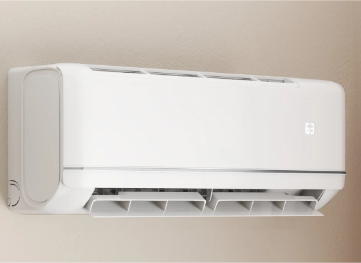
Mini-split systems share many inspection considerations with conventional air conditioning systems, particularly at the exterior unit. In addition to those overlapping observations, there are several system-specific factors that are commonly reviewed during an inspection to help establish overall condition and operation. In communities such as Coldstream, where larger homes are frequently retrofitted or expanded over time, mini-split systems are often added to supplement existing heating and cooling.
Shared Inspection Considerations
- Exterior condenser units are assessed using the same criteria as conventional AC systems
- Clearance, airflow, and physical condition remain important observation points
- Visible damage, obstruction, or signs of deferred maintenance are documented consistently
System-Specific Inspection Observations
- Condition and accessibility of indoor wall-mounted heads
- Filter condition as a visible indicator of ongoing care
- Drainage routing and any visible signs of moisture or staining
- Consistency of operation across multiple indoor units or zones
Heating and Cooling Functionality
- Many mini-split systems are designed to operate in both cooling and heating modes
- System operation may be observed in either mode depending on seasonal conditions
- Findings are documented based on the mode tested at the time of inspection
- Observed operation does not represent a guarantee of future performance in either mode
These additional considerations supplement the broader air conditioning observations outlined earlier in the inspection. While mini-split systems are generally reliable, they are not exempt from age-related wear or maintenance-related concerns, and they are evaluated using the same inspection principles applied to other residential cooling systems.
Functional Testing: What “Working” Means in an Inspection
During a home inspection, air conditioning systems are functionally tested to confirm basic operation under the conditions present at the time of inspection. This testing helps establish whether the system responds to normal controls and provides cooling, but it is not intended to represent long- term performance or overall system health.
Observed Operation at the Time of Inspection
- The system starts and responds to thermostat or control input
- Airflow is present at supply vents or indoor units
- Cooling is felt during operation
- Abnormal behavior such as short-cycling, unusual noise, or instability is noted
Inspection reports use phrasing such as “operating at the time of inspection” to distinguish between short-term functionality and long-term reliability. A system may operate normally during testing while still showing conditions that influence future performance or maintenance needs.
Maintenance Indicators and Inspection Context
Maintenance-related observations appear in inspection reports because they affect observable system condition, not because inspectors expect systems to be maintained to a specific standard. Visible indicators help provide context for how a system has been cared for and how it may perform moving forward.
Visible Maintenance Indicators
- Dirty or neglected filters that restrict airflow
- Accumulated debris affecting system components
- Conditions that suggest deferred or inconsistent upkeep
Observation Versus Diagnosis
Filter condition and similar maintenance indicators are documented as observations rather than diagnoses. These findings are relevant only insofar as they influence system operation, airflow, or moisture management at the time of inspection. No assumptions are made regarding service history or future performance.
Final Comments and When Further Evaluation Is Common
Air conditioning systems do not need to be perfect to be considered serviceable at the time of inspection. Many systems continue to operate despite age, wear, or minor maintenance-related concerns. Inspection findings are intended to identify patterns that may increase risk, not to predict failure.
Further evaluation is commonly recommended when inspection observations suggest inconsistent operation, visible moisture concerns, unusual sounds or odors, or when a system cannot be operated under inspection conditions. These recommendations are made to provide additional information, not to imply immediate repair or replacement is required.
By documenting both operation and observed condition, home inspections help buyers and homeowners understand how an air conditioning system is performing at the time of inspection and what factors may influence its reliability over time. This approach supports informed decision-making without creating unnecessary concern.
If you have any questions about AC/Heat Pump/Mini-splits, Reach out!
Frequently Asked Questions About Air Conditioning and Home Inspections
What aspects of an air conditioning system are evaluated during a home inspection?
During a home inspection, air conditioning systems are evaluated for visible condition and basic operation at the time of inspection. This typically includes confirming that the system starts, responds to normal controls, produces cooling, and shows no obvious signs of damage, leakage, or abnormal operation. Inspections are visual and non-invasive and do not include efficiency testing or internal mechanical evaluation.
Why can an air conditioning system appear to work but still be flagged in an inspection report?
An air conditioning system may produce cool air while still showing inspection-relevant concerns related to age, physical condition, drainage performance, or visible maintenance indicators. Inspection findings focus on observed condition and risk context rather than comfort alone, as short-term operation does not always reflect long-term reliability.
Are older air conditioning units automatically considered defective during an inspection?
No. Older air conditioning units are not automatically considered defective if they are operating at the time of inspection. However, age is documented because older systems generally carry an increased risk of failure or maintenance-related concerns. Inspectors assess condition, installation, and observable performance rather than age alone.
When do air conditioning inspection findings typically lead to further evaluation?
Further evaluation may be recommended when inspection observations include inconsistent cooling, visible moisture or condensate leakage, unusual noises or odors, or when the system cannot be operated under inspection conditions. These recommendations are intended to provide additional information, not to imply immediate repair or replacement is required.
Does a home inspection replace the need for an HVAC technician?
No. A home inspection provides a visual, non-invasive assessment of an air conditioning system’s condition and operation at the time of inspection. When concerns are identified, further evaluation by a qualified HVAC professional may be recommended to determine system performance, service requirements, or repair options.