
Detached Homes - A History - Knowledge on Historical Timelines and Considerations when Buying
Detached Homes - Interesting Information on How Usage has Changed Over the Years

Introduction - Evolution of SFD Homes
Detached homes have experienced substantial changes throughout history, developing from basic shelters into complex residential structures that accommodate contemporary living requirements. Early detached homes served primarily as functional protection from the elements, featuring simple designs focused on essential needs. As civilizations advanced, architectural approaches and building methods became increasingly sophisticated, incorporating new materials, techniques, and aesthetic considerations. The development of detached housing reflects major social transformations, including changes in household composition, economic prosperity, and technological innovation. Modern detached homes function beyond basic shelter, often representing individual preferences, social status, and lifestyle aspirations. Historical detached homes typically utilized materials available within the immediate vicinity, resulting in designs that varied considerably according to local climate conditions and cultural traditions.
Industrial Revolution Era
The onset of urbanization, particularly during the Industrial Revolution of the 18th and 19th centuries, created unprecedented housing demand. This period introduced standardized design principles and mass production construction techniques, fundamentally altering residential development practices. The Industrial Revolution established foundational changes in housing construction and design philosophy that continue to influence contemporary residential architecture. These developments created the framework for the extensive variety of architectural styles, sizes, and configurations available in today's detached housing market. The historical progression of detached homes demonstrates the relationship between technological advancement, social change, and residential architecture.
Key Takeaways
- Detached homes have evolved significantly over the last century, influenced by historical events, technology, and societal changes.
- Key considerations when buying a detached home include understanding construction differences and specific risks tied to the home's age.
- The 20th century saw a rise in detached homes, especially during the suburban boom and post-war reconstruction periods.
- Advances in technology have shaped modern detached home design, improving functionality and energy efficiency.
- The future of detached homes is likely to focus on sustainability, smart technology integration, and adapting to changing lifestyle needs.
Quick Review on Ancient Detached Homes

The history of detached homes can be traced back to ancient civilizations, where individual dwellings were constructed to provide shelter for families. In ancient Rome, for instance, wealthy citizens often built standalone villas that showcased their status and wealth. These early detached homes were characterized by their spacious layouts and elaborate designs, setting a precedent for future architectural endeavors. As time progressed, different cultures developed their own unique styles of detached homes, influenced by local materials, climate, and social structures. During the Middle Ages, detached homes took on a more utilitarian form, often serving multiple purposes beyond mere habitation. Many homes included space for livestock or workshops, reflecting the agrarian lifestyle of the time. The Renaissance period saw a revival of interest in classical architecture, leading to more ornate designs in detached homes. By the 19th century, the Industrial Revolution had transformed urban landscapes, prompting a shift towards mass-produced housing. This era marked the beginning of suburban development, where detached homes became increasingly popular as families sought refuge from crowded city life.
Considerations When Buying a Detached Home
Purchasing a detached home is a significant investment that requires careful consideration of various factors. One of the primary aspects to evaluate is location. The neighborhood's amenities, schools, and overall safety can greatly influence both your quality of life and the home's resale value.
Geo-Location of Home
Proximity to work and public transportation can impact daily commutes and convenience. Buyers should also consider future developments in the area that may affect property values or living conditions. Another critical factor is the condition of the home itself.
Inspection Requirements
A thorough inspection is essential to identify any potential issues that may require costly repairs down the line. This includes assessing the foundation, roof, plumbing, and electrical systems. Understanding the age of the home can also provide insight into its maintenance history and potential future expenses.
City/Regional Bylaws
Furthermore, buyers should be aware of zoning laws and regulations that may affect their ability to modify or expand the property. By taking these considerations into account, prospective homeowners can make informed decisions that align with their long-term goals.
Differences Across the Last Century of Building
The last century has witnessed remarkable changes in building practices for detached homes, driven by advancements in technology and shifts in consumer preferences. In the early 20th century, homes were often constructed using traditional methods with an emphasis on craftsmanship. Builders relied on skilled labor to create unique designs that reflected individual tastes.

Circa Post WW II
As mass production techniques emerged post-World War II, there was a significant shift towards standardized designs and materials. This change allowed for quicker construction times and lower costs but often at the expense of individuality. In recent decades, there has been a resurgence of interest in custom-built homes that prioritize sustainability and energy efficiency.
Modern Building Practices
Modern builders are increasingly incorporating eco-friendly materials and innovative technologies into their designs. This shift reflects a growing awareness of environmental issues and a desire for homes that minimize their ecological footprint. Additionally, contemporary detached homes often feature open floor plans and smart home technologies that cater to modern lifestyles. The differences in building practices over the last century highlight how societal values and technological advancements continue to shape our living environments.
Specific Risks Throughout the Last Century
Builds have changed over the years. from a simple square home with 4 walls and 3 rooms, to spawling multi-story mansions. life truly has evolved.
Era/Yearly Related Risks and Considerations
| Era | Building Characteristics | Considerations When Buying | Specific Risks | Perks of New Builds |
| Early 1900s | Wood framing, simple designs, limited insulation | Check for outdated wiring/plumbing, foundation issues | Lead paint, asbestos, poor energy efficiency | Modern safety standards, energy efficiency improvements |
| Mid 1900s (1950-1970) | Brick and wood mix, introduction of central heating | Inspect for aging HVAC, potential radon, structural wear | Asbestos in insulation, outdated electrical systems | Better insulation, improved building codes |
| Late 1900s (1980-1999) | More complex designs, use of synthetic materials | Check for mold, roof integrity, and updated wiring | Use of materials that may degrade, moisture issues | Energy-efficient windows, modern appliances |
| 2000s to Present | Advanced materials, smart home integration, green building | Verify builder reputation, warranty coverage, energy ratings | Potential for construction defects, rapid technology changes | Energy efficiency, smart technology, modern design |
Non-Build Style Risks
While advancements in construction techniques have improved the quality of detached homes, certain risks have persisted throughout the last century. One significant concern is the impact of natural disasters on residential properties. Homes built in areas prone to flooding, earthquakes, or hurricanes face heightened risks that can lead to extensive damage or total loss. As climate change continues to exacerbate weather patterns, homeowners must be vigilant about understanding their property's vulnerabilities and taking appropriate precautions. Another risk associated with older detached homes is the presence of hazardous materials such as lead paint or asbestos. Many homes built before certain regulations were enacted may still contain these substances, posing health risks to occupants.
Heritage Home Considerations
Homebuyers should conduct thorough inspections and consider remediation efforts when purchasing older properties. Additionally, as neighborhoods evolve and urban areas expand, issues related to gentrification can arise, potentially affecting property values and community dynamics. Being aware of these risks is crucial for homeowners looking to protect their investments and ensure their safety.
The Rise of Detached Homes in the 20th Century
The 20th century marked a significant turning point in the popularity of detached homes, particularly in North America. Following World War II, there was a surge in demand for housing as returning soldiers sought stable living conditions for their families. This demand led to the rapid development of suburban neighborhoods characterized by rows of single-family detached homes. The allure of spacious yards and a sense of community drew many families away from urban centers into these newly established suburbs. This trend was further fueled by government policies that promoted homeownership through initiatives such as low-interest loans and tax incentives. The rise of the automobile also played a crucial role in this shift; families could now commute from suburban areas to urban workplaces with relative ease. As a result, detached homes became synonymous with the American Dream—a symbol of prosperity and stability for many families during this era.
The Impact of War on Detached Home Construction
War has historically influenced housing construction patterns in various ways, particularly during and after major conflicts like World War I, II, and Vietnam War Post-war America saw a boom in suburban development as returning soldiers sought affordable housing options for their families. The GI Bill played a pivotal role in facilitating homeownership by providing veterans with access to low-interest mortgages without requiring substantial down payments. This initiative not only spurred the construction of countless detached homes but also contributed to the rise of suburban communities across the nation.
Detached Homes in the Suburban Boom
The suburban boom of the mid-20th century fundamentally reshaped American society and housing trends. Detached homes became emblematic of this movement as families flocked to newly developed suburbs seeking larger living spaces away from crowded urban centers. These neighborhoods often featured tree-lined streets, parks, and schools—elements designed to foster a sense of community among residents. As suburban living gained popularity, builders began to cater specifically to this market by creating diverse housing options that appealed to various demographics. From modest starter homes to luxurious estates, there was something for everyone in these burgeoning communities. The emphasis on outdoor space also became a defining characteristic of suburban living; backyards transformed into extensions of family life where children could play freely while parents enjoyed gardening or entertaining guests.
Perks of New Builds
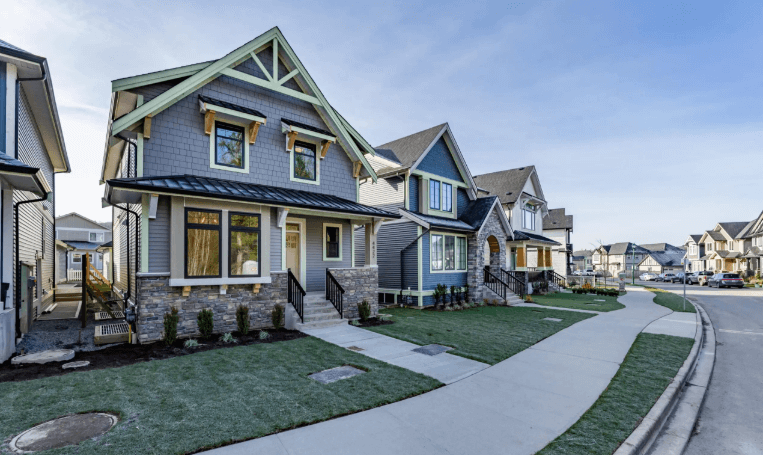
Newly constructed detached homes offer several advantages that appeal to modern buyers seeking convenience and efficiency. One of the most significant perks is the incorporation of contemporary design elements that cater to current lifestyle preferences. Open floor plans, energy-efficient appliances, and smart home technologies are just a few features commonly found in new builds.
Warranties and Increased Safety
These elements not only enhance comfort but also contribute to lower utility costs and increased convenience. Additionally, new builds often come with warranties that provide peace of mind for homeowners regarding potential repairs or defects. This assurance can be particularly valuable for first-time buyers who may be unfamiliar with home maintenance responsibilities. Furthermore, new construction typically adheres to updated building codes and regulations, ensuring that homes are built with safety and sustainability in mind. As a result, buyers can enjoy modern amenities while minimizing concerns about outdated systems or materials.
The Influence of Technology on Detached Home Design
Technological advancements have had a profound impact on the design and construction of detached homes over recent decades. Innovations such as computer-aided design (CAD) software have revolutionized architectural planning by allowing designers to create intricate blueprints with precision and efficiency. This technology enables builders to visualize projects before construction begins, reducing errors and streamlining processes.
Smart Home Design
Moreover, smart home technologies have become increasingly integrated into modern detached homes—offering homeowners enhanced control over their living environments through automation systems for lighting, heating, security, and entertainment. These features not only improve convenience but also contribute to energy efficiency by allowing residents to monitor usage patterns remotely. As technology continues to evolve rapidly, it will undoubtedly shape future trends in detached home design—creating spaces that are not only functional but also adaptable to changing lifestyles.
The Future of Detached Homes
Looking ahead, the future of detached homes appears poised for further evolution as societal needs and environmental considerations continue to shape housing trends. One prominent focus is sustainability; builders are increasingly prioritizing eco-friendly materials and energy-efficient designs that minimize environmental impact while maximizing comfort for occupants. This shift reflects a growing awareness among consumers about climate change and resource conservation.
Urbanization/High-Density Shift
Additionally, urbanization trends may influence how detached homes are integrated into city landscapes moving forward. As cities become denser, there may be a push towards smaller lot sizes or multi-family configurations that still retain elements of detached living while accommodating more residents within urban settings. Ultimately, the future of detached homes will likely be characterized by innovation—balancing tradition with modernity as we adapt our living spaces to meet evolving demands in an ever-changing world.
Learn More - Ask Us Questions!FAQs - Detached Homes
What defines a detached home?
A detached home is a standalone residential building that does not share any walls with another dwelling. It is typically surrounded by its own land or yard, providing privacy and space on all sides.
How has the design of detached homes evolved over the last century?
Detached homes have evolved significantly over the past 100 years. Early 20th-century homes often featured traditional architectural styles with solid wood construction. Mid-century homes introduced new materials like steel and concrete, along with open floor plans. Recent decades have seen advances in energy efficiency, modern aesthetics, and smart home technology integrated into new builds.
What are some historical risks associated with older detached homes?
Older detached homes may have risks such as outdated electrical wiring, lead-based paint, asbestos insulation, and less effective insulation. Structural issues like foundation settling or wood rot can also be concerns. These risks vary depending on the era and quality of construction.
What should buyers consider when purchasing a detached home?
Buyers should consider the home's age, condition, location, and any potential renovation costs. It is important to inspect for structural integrity, plumbing and electrical systems, and compliance with current building codes. Understanding the neighborhood and future development plans is also crucial.
How do new builds differ from older detached homes?
New builds typically incorporate modern construction techniques, energy-efficient materials, and up-to-date safety standards. They often feature open floor plans, advanced HVAC systems, and smart home capabilities. New homes may also come with warranties and require less immediate maintenance.
What are some perks of buying a newly built detached home?
Newly built detached homes offer benefits such as lower maintenance costs, improved energy efficiency, modern design, and compliance with current building codes. Buyers can often customize finishes and layouts, and enjoy warranties that protect against certain defects.
Are there any specific risks when buying a newly built detached home?
While new homes reduce many risks, potential issues include construction delays, builder quality variability, and the possibility of defects that may not be immediately apparent. It is advisable to conduct thorough inspections and review builder reputations before purchase.
How have building materials changed in detached homes over the last century?
Building materials have shifted from primarily wood and brick to include steel, concrete, and advanced composites. Modern materials improve durability, energy efficiency, and resistance to pests and fire. Innovations like insulated concrete forms and engineered wood products are common in new builds.
What impact does the history of detached homes have on their market value?
The historical significance, architectural style, and condition of older detached homes can enhance their market value. However, potential renovation costs and outdated features may reduce appeal. New builds often command higher prices due to modern amenities and lower maintenance needs.
How can buyers assess the condition of a detached home from different eras?
Buyers should hire qualified home inspectors familiar with the construction methods of various periods. Inspections should cover structural elements, roofing, electrical and plumbing systems, and potential environmental hazards. Reviewing maintenance records and previous renovations is also helpful.