
Heat Pumps, Mini-Splits, and Geothermal: What Home Inspectors Look at — and Where These Systems Differ
Written by Erich Kamprath, CPI. Dedicated to Education and Setting Minds at Ease in Okanagan Real Estate.
Understanding Modern Heat Pump Systems Through a Home Inspection Lens
Heat pumps, ductless mini-splits, and geothermal systems are increasingly common in homes throughout the Okanagan, and they are often grouped together as modern alternatives to traditional heating and cooling equipment. From a home inspection perspective, these systems do share important similarities, but they also present different inspection considerations, limitations, and risks that are not always well understood by buyers.
Key Takeaways
- Heat pumps, mini-splits, and geothermal systems share similar technology, but differ in layout, visibility, and inspection focus.
- Home inspections assess observable condition and basic operation, not system performance or efficiency claims.
- Air-source heat pumps are the most common, while geothermal systems tend to appear in specific, planned communities.
- Visible condition, maintenance indicators, and system feedback provide valuable context during inspections.
- Differences between system types help explain why inspection comments vary, even when systems serve the same purpose.
- Understanding these distinctions helps buyers interpret inspection findings with greater confidence.
Why These Systems Get Grouped Together — and Why That Can Be Misleading
Heat pumps, ductless mini-splits, and geothermal systems are frequently grouped together in real estate listings and buyer discussions because they are viewed as modern, efficient alternatives to traditional heating and cooling equipment. From a home inspection standpoint, that grouping is understandable. This similarity in inspection approach is consistent across homes inspected in Central Okanagan and North Okanagan communities, where system appearance and layout can vary widely despite shared technology. However, it can also obscure important differences that affect how these systems are evaluated, what can realistically be confirmed during an inspection, and where additional caution or follow-up may be appropriate.
Shared Technology Behind Different System Designs
Moving Heat Rather Than Generating It
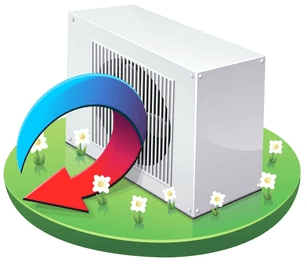
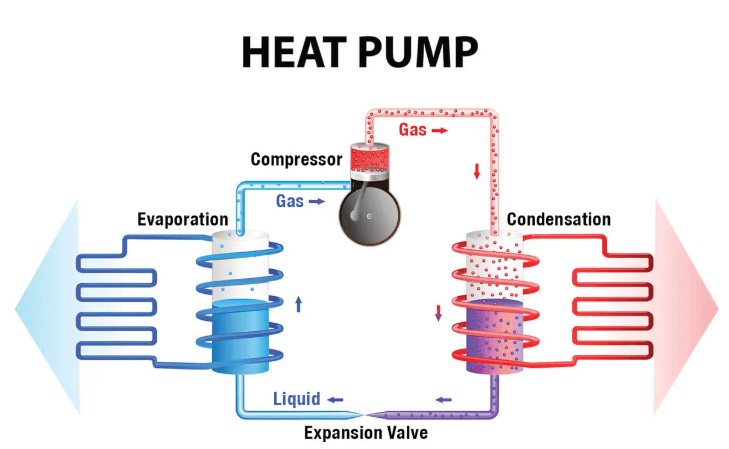
All three systems operate on the same fundamental principle: they move heat from one location to another rather than producing heat through combustion or electrical resistance. This shared refrigeration cycle is the reason these systems are often discussed as a single category and why many functional observations during an inspection may appear similar at a high level.
Why Similar Technology Does Not Mean Identical Risk
Although the underlying technology is similar, how and where that heat is exchanged plays a significant role in system behavior and risk. Heat source selection, component placement, and system configuration all influence performance expectations and failure patterns, even when the systems appear comparable on paper.
Where Inspection Considerations Begin to Diverge
Heat Source and Distribution Differences
Some systems rely on outdoor air, others on ground temperatures, and others distribute conditioned air through ductwork or directly into individual rooms. These design choices affect what components are accessible, what conditions can be visually assessed, and how issues may present themselves during a limited, non-invasive inspection.
Visibility and Access Limitations
Inspection visibility varies significantly between system types. Components may be located outdoors, within living spaces, in mechanical rooms, or entirely concealed below grade. Limited access increases uncertainty and places greater importance on documentation, installation quality, and system history when evaluating overall condition.
Why Inspection Context Matters for Buyer Expectations
Functional Operation Versus System Performance
A system operating at the time of inspection indicates basic function, not overall performance, efficiency, or proper design. Buyers often assume that similar-looking systems deliver similar results, but inspection findings are limited to observable condition and operation at a specific point in time.
Understanding When Further Evaluation Is Appropriate
Because these systems differ in complexity and accessibility, further evaluation is sometimes recommended even when no immediate defects are observed. This is not an indication of failure, but rather a recognition of inspection limitations and the potential consequences of concealed or system-specific issues.
As with all heating and cooling systems, home inspections are limited to visual observations and basic functional operation at the time of inspection. Inspections do not verify system performance, efficiency ratings, long-term reliability, or conditions within concealed or underground components. These limitations are especially relevant for systems where key elements are not fully visible or accessible.
Where Heat Pumps, Mini-Splits, and Geothermal Are Similar (From an Inspection Perspective)
Although these systems differ in appearance and installation, they share several important characteristics that influence how inspectors evaluate their condition and operation. Understanding these similarities helps buyers recognize why certain observations apply across system types and why modern heating and cooling systems are often discussed together from an inspection standpoint.
Shared Refrigeration Technology
A Common Approach to Heating and Cooling
All three systems rely on a refrigeration cycle to move heat from one location to another. Whether heat is exchanged with outdoor air, the ground, or delivered through different distribution methods, the core process remains the same. This shared approach explains why many observable operating characteristics appear similar during an inspection.
Why This Matters During an Inspection
Because the underlying technology is consistent, inspectors evaluate these systems using similar principles. Observable condition, general operation, and installation quality are assessed in much the same way, even when the systems themselves look very different.
Comparable Electrical and Control Systems
Dependence on Electrical Components
Heat pumps, mini-splits, and geothermal systems all rely on electrical power to operate compressors, controls, and safety devices. As a result, electrical condition and component installation play a key role in overall system reliability across all three system types.
Consistent Inspection Focus
Inspectors pay close attention to visible electrical connections, disconnects, and control components because these elements influence system operation regardless of how heat is sourced or distributed. Well- installed electrical components often correlate with better long-term system performance.
Similar Outcomes When Issues Develop
Comfort and Habitability Impacts
When problems occur, the practical impact is similar across all three systems. Reduced heating or cooling performance affects indoor comfort and, in colder climates, can influence overall habitability. This shared outcome is why inspectors view system condition as an important part of the overall home evaluation.
Early Indicators Are Treated Consistently
Inspectors look for visible signs such as corrosion, physical damage, or installation concerns because these conditions often provide early indications of future issues. This approach remains consistent regardless of whether the system is air-source, ductless, or ground-based.
Where the Inspection Considerations Start to Diverge
Although these systems are often grouped together, their physical layout and visible components differ in ways that affect how they are observed during a home inspection. From an inspection perspective, the differences are less about performance and more about where components are located, what is visible, and how general condition is assessed at the time of inspection.
Air-Source Heat Pumps
Air-source heat pumps are most commonly encountered during inspections in warmer valley communities such as Summerland and Peachland where seasonal temperature patterns support their widespread use but they are spread widely across the Okanagan and Shuswap.
Outdoor Equipment and General Condition
Air-source heat pumps include exterior equipment that is readily visible during an inspection. Inspectors assess the overall condition of the outdoor unit, including signs of physical damage, corrosion, or improper support, as these conditions can influence system reliability over time.
Seasonal Operation Observations
When conditions allow, air-source heat pumps are operated to confirm basic function in heating mode. This confirms that the system responds to controls and produces conditioned air, without making assumptions about performance across all outdoor temperatures.
Ductless Mini-Split Systems
Ductless mini-split systems are most often observed in recently renovated homes, additions, and secondary spaces in highly in demand urban communities such as Vernon or Kelowna.
Visible Indoor Components
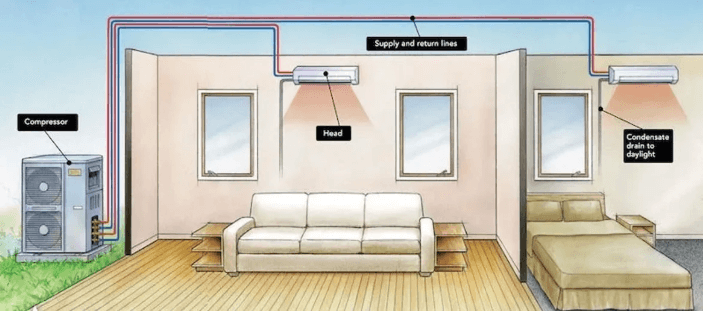
Mini-split systems introduce indoor air-handling units that are visible within living spaces. Inspectors focus on general condition, looking for signs of damage, improper mounting, or deterioration that could affect operation or indicate past issues.
Filters and Moisture Indicators
Where accessible, filters are checked for cleanliness as part of a general condition assessment. Inspectors also look for visible signs of drainage issues, such as water staining or moisture damage, around indoor units and adjacent surfaces.
Geothermal Systems
System Identification and Basic Operation
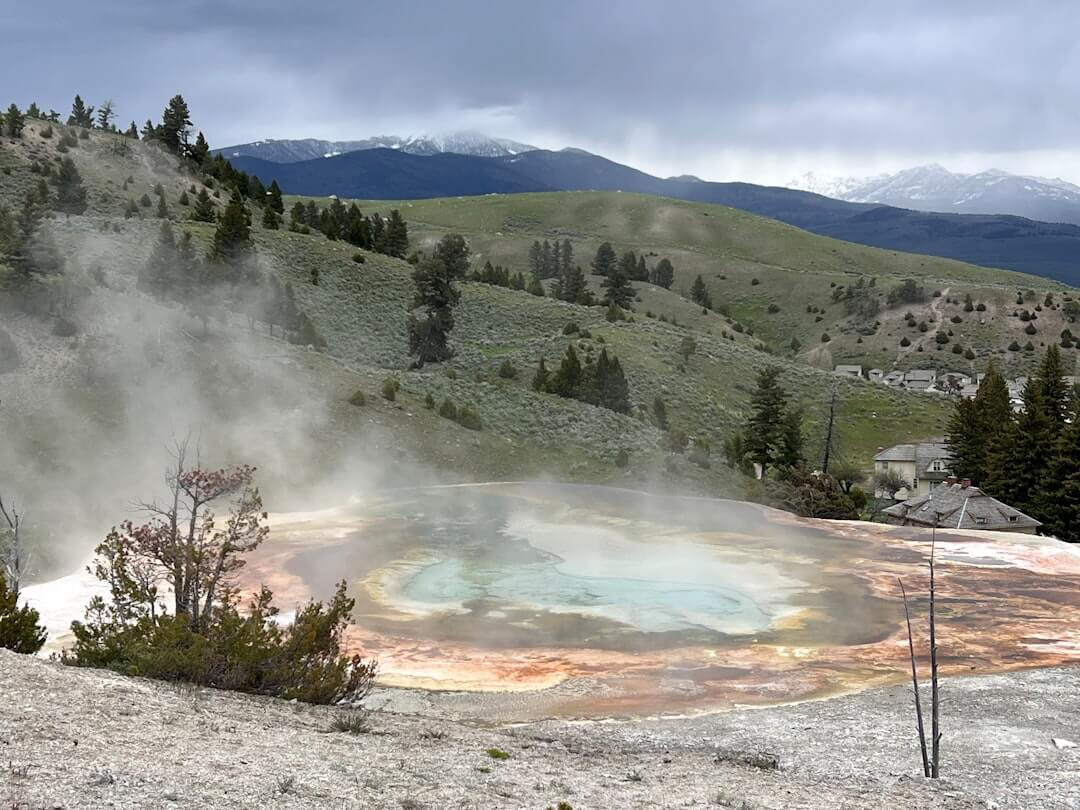
Geothermal systems differ primarily in how much of the system is concealed. During inspection, focus is placed on identifying visible components, confirming that the system responds to controls, and noting whether heating or cooling operation appears functional at the time of inspection.
Indicator Lights, Error Codes, and Visible System Feedback
Where visible control panels or indicators are present, inspectors look for error codes, warning lights, or abnormal status indicators. These visual cues can provide useful context regarding system condition or recent operational issues, even when the system appears to be operating.
Visible Leakage and Mechanical Room Conditions
Inspectors also look for signs of leakage at visible piping, fittings, and equipment within the mechanical room. Moisture staining, active leakage, or corrosion around geothermal components may indicate system stress or maintenance concerns that warrant further attention.
Documentation and Service Information
Because ground loop components are not visible, the presence of system labels, service records, or manufacturer information becomes especially helpful in understanding system age, configuration, and maintenance history from an inspection perspective.
Inspection Considerations at a Glance
| Inspection Consideration | Air-Source Heat Pumps | Ductless Mini-Splits | Geothermal Systems |
|---|---|---|---|
| Primary Heat Transfer Method | Transfers heat between indoor air and outdoor air | Transfers heat between indoor air and outdoor air | Transfers heat between indoor space and the ground |
| Main Components Observed | Outdoor unit and visible interior equipment | Outdoor unit and visible indoor heads | Mechanical room equipment and controls |
| Interior Components Visible | Limited | Yes, indoor air-handling units | Yes, mechanical equipment only |
| System Operation at Inspection | Operated when conditions allow to confirm basic function | Operated to confirm response and airflow | Operated to confirm response and system function |
| Common Observable Concerns | Exterior damage, corrosion, mounting issues | Physical damage, dirty filters, moisture staining | Error codes, indicator lights, visible leakage |
| Moisture-Related Observations | Limited to visible exterior or interior components | Water staining or drainage issues near indoor units | Leakage or staining in mechanical room |
| Concealed Components | Some internal system components | Refrigerant lines partially concealed | Ground loop system fully concealed |
| Information That Adds Context | Manufacturer labels and visible system age | Unit identification and service access | Labels, documentation, service records |
From my inspection experience across the Okanagan, air-source heat pumps are by far the most common of these systems, with ductless mini-splits showing up less frequently and geothermal systems appearing in very specific areas. Geothermal installations are most often encountered in communities such as the Lakes area of Lake Country or developments like Sun Rivers in Kamloops, where system design and infrastructure were planned around their use. Outside of these locations, geothermal systems do appear from time to time, but they are far less common compared to air-source options.
During inspections, I find that the most common misunderstandings vary by system type. With geothermal systems, buyers often have limited familiarity with how the system operates or what normal conditions look like, which turns the inspection into an opportunity to walk through basic operation and observable indicators such as leakage or system alerts. With air-source heat pumps, I most often note confusion around how the heat pump and backup furnace are intended to work together, particularly when systems are left in emergency heat mode for extended periods. For ductless mini-splits, I frequently note more straightforward maintenance-related items, such as dirty filters or visible moisture staining near indoor units, rather than operational concerns.
How Inspectors Interpret System Condition (Beyond “On or Off”)
One of the most valuable parts of a home inspection is helping clients understand that system condition is not evaluated as a simple pass or fail. Modern heating and cooling systems often operate normally while still showing indicators that are relevant to long-term reliability, maintenance planning, or further monitoring.
- Inspectors look at overall system response, not just whether air is produced, to understand how the system behaves when operated.
- Visible condition matters, including physical damage, corrosion, staining, or wear that may indicate past stress or developing issues.
- Installation quality is observed where visible, as improper support, routing, or protection can influence future performance even when a system is currently functional.
- Maintenance indicators, such as filter condition or cleanliness of accessible components, help provide context about how the system has been cared for over time.
- System information, labels, and visible controls are reviewed to help confirm configuration and general system understanding.
What Buyers Commonly Learn During These Inspections
Inspections often clarify how modern heating and cooling systems are intended to be understood and maintained over time. For many buyers, this information helps reduce uncertainty and builds confidence moving forward.
Understanding Normal Operation
- Buyers often learn what normal system behavior looks like, including sounds, cycling patterns, and basic responses to controls.
- This context helps distinguish normal operation from conditions that may warrant attention in the future.
Clarifying System Roles and Expectations
- Inspections help clarify how different components work together, particularly in homes with more than one heating source.
- Understanding system roles helps prevent misinterpretation of normal operation after possession.
Reducing Uncertainty for Long-Term Ownership
- Buyers gain a clearer picture of what has been observed, what appears typical for the system type, and what items may simply require routine attention.
- This information supports informed decision-making without creating unnecessary concern.
From an inspection standpoint, these systems tend to generate some of the best on-site conversations with clients. Whether it’s clarifying how a heat pump and backup furnace work together, walking through basic geothermal indicators, or pointing out simple maintenance-related observations, the goal is always the same: helping buyers understand what they’re seeing and what it means in practical terms. That understanding often makes the difference between uncertainty and confidence once the inspection is complete.
If there is one takeaway to keep in mind, it’s that modern heating and cooling systems are best understood through context rather than comparison. Systems that look similar on paper can present very different inspection considerations, and understanding those differences is an important part of evaluating the home as a whole.
Questions about a Heat Pump Style System in a Home you are looking at Buying? Happy to Chat!
Frequently Asked Questions About Heat Pumps, Mini-Splits, and Geothermal Inspections
Can a home inspection confirm that a heat pump or geothermal system is working properly?
During a home inspection, these systems are operated when conditions allow to confirm basic response and observable operation at the time of inspection. Inspectors assess visible condition and system behavior, but do not verify long-term performance, efficiency, or system design.
Why does an inspection comment appear even if the system is running?
Inspection comments are often related to visible condition, maintenance indicators, or configuration rather than outright failure. A system can operate normally while still showing signs that are relevant for monitoring, servicing, or future planning.
Are geothermal systems harder to inspect than other heating systems?
Geothermal systems differ primarily because many components are concealed below grade. Inspections therefore focus on visible equipment, system operation, indicator lights or error codes, and mechanical room conditions, along with any available system information.
What do inspectors typically look for on ductless mini-split systems?
Inspectors focus on the visible condition of indoor and outdoor components, including signs of damage, filter condition where accessible, and any evidence of moisture or drainage issues around indoor units. These observations help provide context about system care and condition.
Why do inspection findings differ between similar-looking systems?
This question comes up frequently during inspections in Kelowna, Vernon, and surrounding communities, where multiple system types are often encountered within the same market.
Even systems that use similar technology can differ in layout, visibility, and supporting components. Inspection findings reflect these differences, as well as how each system is installed and maintained, rather than assuming identical performance or condition.