
Preserving the Charm - Inspection, Purchase, and Renovation of Heritage Houses
Written byErich Kamprath, CPI. Dedicated to Education and Setting Minds at Ease in Okanagan Real Estate.
Inspecting and Renovating Older Homes
Introduction - Understanding the Uniqueness
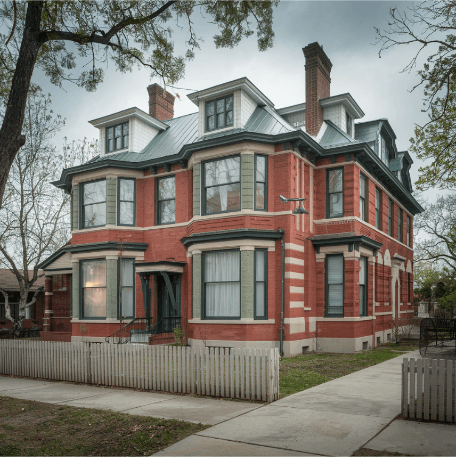
Every home has a story to tell, and understanding its history is crucial for anyone looking to appreciate its value fully. The architectural style, the materials used, and even the layout can provide insights into the era in which the home was built. For instance, a Victorian house may feature intricate woodwork and stained glass, reflecting the craftsmanship of the late 19th century.
By delving into the history of a home, one can uncover the influences that shaped its design and construction, as well as any significant events that may have occurred within its walls. This historical context not only enriches the homeowner's experience but also informs future renovations and restorations. Moreover, understanding a home's history can reveal important information about its previous occupants and their lifestyles.
This knowledge can be particularly valuable for potential buyers or investors who wish to maintain the home's character while making necessary updates. Researching local archives, historical societies, or even speaking with long-time residents can yield fascinating stories and details that enhance one's connection to the property.
By appreciating the past, homeowners can make informed decisions that honor the legacy of their home while ensuring it remains functional and relevant in today's world.
Key Takeaways
- Understanding the history of the home is crucial for preserving its unique architectural and cultural significance.
- Assessing the structural integrity of the home is essential to ensure its safety and longevity.
- Preserving architectural details such as moldings, trim, and original features helps maintain the home's character and charm.
- Upgrading mechanical systems like plumbing, electrical, and HVAC is necessary for modern comfort and efficiency.
- Choosing appropriate materials that match the original design and style of the home is important for a cohesive and authentic renovation.
Assessing the Structural Integrity
When it comes to older home inspections, assessing structural integrity is paramount. Over time, natural settling, moisture exposure, and changes in use can place stress on a home’s foundation and framing. A thorough evaluation of these components helps determine whether observed issues are cosmetic or signs of deeper structural concerns that could affect safety and long-term performance. Inspectors commonly assess the foundation, load-bearing elements, and overall stability, as these systems form the backbone of the home. Without a sound structural base, even a well-maintained or visually appealing property can become a significant liability for homeowners or buyers. Understanding the condition of these elements allows for informed decision-making, whether planning repairs, renovations, or a purchase. During a structural assessment, inspectors typically evaluate:
- Foundation condition, including cracks, movement, or signs of settlement that may indicate shifting or moisture-related damage.
- Framing and load-bearing components, such as beams, joists, and posts, for sagging, alterations, or deterioration.
- Floor and wall alignment, looking for uneven floors, sloping, or wall separation that can signal structural movement.
- Moisture intrusion, using tools like moisture meters to identify hidden water damage that can weaken wood and masonry over time.
- Thermal anomalies, identified through infrared imaging, which may point to insulation gaps, air leakage, or moisture concerns affecting structural elements.
By combining visual evaluation with specialized tools, inspectors can provide a more complete picture of a home’s structural condition. Addressing issues early helps protect the investment, supports safe occupancy, and contributes to the long-term comfort and durability of the home.
Checking on Safety Considerations
When living in an older home, safety considerations are especially important, as many historic properties were built long before modern building standards and health regulations existed. While these homes often offer character and craftsmanship, they may also contain materials and systems that are now known to pose health or fire risks. Identifying these issues early allows homeowners to plan upgrades responsibly, protect occupants, and avoid costly surprises during renovations or repairs. A professional home inspection is often the first step in understanding which risks may be present and how they can be managed safely. Common safety concerns in older homes include:
- Asbestos in insulation, flooring, siding, or roofing materials, which can release harmful fibers if disturbed and may cause serious lung disease.
- Lead-based paint, particularly in Canadian homes built before 1960, which poses health risks if paint is deteriorating or disturbed during renovations.
- Knob-and-tube wiring, an outdated electrical system that lacks grounding and can increase fire risk as insulation and wiring degrade over time.
- Older plumbing systems, which may contain lead pipes or solder, potentially affecting water quality.
- Aging mechanical systems, including outdated furnaces or ventilation systems that may not meet current safety or efficiency standards.
Homeowners should strongly consider professional inspections and, where warning signs are identified, consult qualified specialists to evaluate conditions and recommend appropriate upgrades. Addressing these concerns proactively helps ensure a safer, healthier living environment while preserving the home’s long-term value.
Preserving Architectural Details
One of the most charming aspects of older homes is their distinctive architectural detail, which often reflects the craftsmanship, materials, and design priorities of the era in which the home was built. Elements such as ornate moldings, decorative cornices, original trim profiles, and built-in features were typically handcrafted and are difficult to replicate today. Preserving these details is essential for maintaining a home’s character and historical significance, and renovations should be approached carefully to avoid unintentional loss or damage. This often means taking the time to understand what is original, sourcing period-appropriate materials, and working with tradespeople experienced in restoration rather than replacement. When done thoughtfully, original features can be celebrated and even enhanced within a modernized space, allowing the home’s history to remain visible and meaningful. Architectural details commonly worth preserving include:
- Original moldings and trim, including baseboards, window casings, and crown molding.
- Decorative features, such as cornices, ceiling medallions, or plaster detailing.
- Original doors, hardware, and stair components, which often feature craftsmanship not found in modern equivalents.
- Fireplace surrounds and mantels, which can serve as natural focal points in updated living spaces.
- Built-in cabinetry or millwork, commonly found in early 20th-century homes.
By blending these historic elements with modern design choices—such as updated lighting, open layouts, or contemporary finishes—homeowners can create spaces that honor the past while meeting present-day living standards. This balanced approach enhances visual appeal and creates a sense of continuity between different eras of design.
Upgrading Mechanical Systems
| Metrics | 1919 | 1990 | 2020 |
| Average Energy Efficiency | <20% home efficient | 70-80% | 90+% |
| Energy Cost (accounted for inflation) | 1 | 157% | ~500% or more! (crazy expensive) |
| Equipment Upgrades | Wood / Possibly Oil | Natural Gas/Electrical | Geothermal/HeatPumps |
| Carbon Emissions Per Person | ~14 | ~20 | ~14 (We back down!) |
While preserving a home's historical charm is important, upgrading mechanical systems is equally crucial for ensuring comfort and efficiency. Older homes often come equipped with outdated plumbing, electrical, and HVAC systems that may not meet current safety standards or energy efficiency guidelines. Homeowners should prioritize these upgrades to enhance their living experience while reducing long-term maintenance costs. For example, replacing an old furnace with a modern energy-efficient model can significantly lower heating bills while improving indoor air quality. When upgrading mechanical systems, it is essential to work with qualified professionals who understand both modern technology and historical preservation. This ensures that any new installations are compatible with existing structures and do not compromise the home's integrity. Additionally, homeowners should consider incorporating smart home technology into their upgrades. Smart thermostats, lighting systems, and security features can enhance convenience while providing energy savings. By striking a balance between modern functionality and historical preservation, homeowners can create a comfortable living environment that meets contemporary needs.
Choosing Appropriate Materials
Selecting appropriate materials is a critical aspect of maintaining a home's character while making necessary updates. When renovating or restoring an older home, it is essential to choose materials that are in keeping with the original design and construction methods. For instance, using reclaimed wood for flooring or trim can add authenticity and warmth to a space while minimizing environmental impact. Similarly, sourcing period-appropriate tiles or fixtures can enhance the overall aesthetic without compromising quality. In addition to aesthetics, durability should also be a key consideration when choosing materials. Older homes may have specific requirements based on their construction methods or local climate conditions. Homeowners should consult with experts who understand these nuances to ensure that selected materials will stand the test of time. By making informed choices about materials, homeowners can create spaces that are not only beautiful but also functional and enduring.
Blending Old and New Design Elements

Creating an Eclectic yet Cohesive Look
For example, pairing vintage furniture with modern art pieces can create an eclectic yet cohesive look that celebrates the home's history while embracing current trends. This approach allows homeowners to showcase their personal style while maintaining the integrity of their home's original design.
Architectural Interventions for a Harmonious Blend
Another effective strategy for blending old and new is through architectural interventions that enhance functionality without compromising character. For instance, opening up spaces by removing non-load-bearing walls can create an airy feel while allowing natural light to flow throughout the home. This modern touch can coexist harmoniously with original features like crown molding or hardwood floors, resulting in a space that feels both timeless and fresh.
Achieving Harmony between Eras
Ultimately, successful design blends should evoke a sense of harmony between different eras while reflecting the homeowner's personal style. By striking the right balance between old and new, homeowners can create a unique and beautiful space that honors the past while embracing the present.
Incorporating Modern Amenities
Incorporating modern amenities into an older home is essential for enhancing comfort and convenience without sacrificing character. Homeowners today expect certain features—such as updated kitchens and bathrooms—that cater to contemporary lifestyles. However, achieving this balance requires careful planning to ensure that modern upgrades do not clash with the home's historical elements. For instance, when renovating a kitchen in an older home, homeowners might opt for sleek appliances that offer cutting-edge technology while selecting cabinetry that reflects traditional craftsmanship. This approach allows for functionality without detracting from the overall aesthetic appeal of the space. Similarly, incorporating energy-efficient windows or insulation can improve comfort levels while preserving the home's exterior appearance. By thoughtfully integrating modern amenities into their homes, owners can enjoy all the conveniences of contemporary living while honoring their property's unique history.
Maintaining the Character of the Neighborhood
Maintaining the character of the neighborhood is an important consideration for homeowners undertaking renovations or restorations, particularly in established or historic areas. Each community develops its own identity over time, shaped by architectural styles, building scale, streetscapes, and cultural heritage. Renovation decisions that respect this context help preserve the visual and social cohesion of the neighborhood. Homeowners are encouraged to familiarize themselves with local guidelines, zoning requirements, and heritage considerations, and to engage openly with neighbors when planning significant changes. Collaborating with architects, designers, or trades familiar with regional construction styles can further ensure that updates complement—not overwhelm—the surrounding homes. Ways homeowners can help preserve neighborhood character include:
- Respecting local bylaws and heritage guidelines, especially in older or designated areas.
- Maintaining scale and proportions, such as rooflines, setbacks, and exterior materials.
- Choosing exterior finishes that align with the neighborhood’s architectural style.
- Engaging local professionals who understand regional building traditions and expectations.
- Communicating with neighbors when planning visible or impactful renovations.
In conclusion, navigating home ownership—particularly in older properties—requires a careful balance between preservation and modernization. By understanding a home’s history, assessing structural integrity, addressing safety concerns, preserving architectural details, upgrading mechanical systems thoughtfully, selecting appropriate materials, and respecting neighborhood character, homeowners can create living spaces that honor the past while meeting modern expectations. This balanced approach not only protects the individual property but also contributes positively to long-term community identity and cohesion. For further reading, the article
The Pros and Cons of Buying an Older Home on Realtor.com provides additional insight into the unique advantages and responsibilities that come with owning an older property, including charm, maintenance considerations, and renovation planning.