
Modulars, Mobiles, and Park Modules: Differences, Aspects, and other Beneficial Knowledge
Posted January 02, 2026 - Updated January 02, 2026
Written by Erich Kamprath, CPI. Dedicated to Education and Setting Minds at Ease in Okanagan Real Estate.
Modular, Mobile, and Park Model Marvals!
Introduction - What is a Factory Built Home?
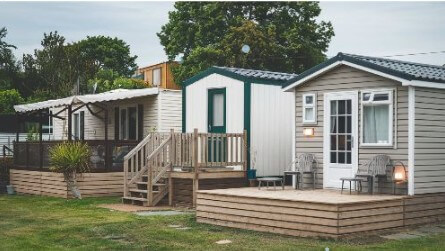
When it comes to affordable housing options, mobile, modular, and park homes each offer unique benefits that cater to different lifestyles and needs. Although these terms are often used interchangeably, they refer to distinct types of homes, each with its own characteristics. Understanding the differences between them and the positive features of each can help prospective homeowners make an informed decision.
First: Mobile Homes
Mobile homes, also known as manufactured homes, are built in factories and designed to be transported to a specific location. They were originally constructed before 1976, before the U.S. government introduced stricter building codes. However, mobile homes manufactured after 1976 are built to meet the HUD (Housing and Urban Development) standards, ensuring safety, durability, and energy efficiency.
Positive Features of Mobiles
- Affordability: Mobile homes are often one of the most cost-effective housing options, making them an excellent choice for first-time homebuyers or those looking to downsize.
- Flexibility: Since mobile homes are designed to be relocated, homeowners have the option to move their property to different locations. This can be an attractive feature for people seeking a mobile lifestyle.
- Efficient Use of Space: Despite their compact size, mobile homes are typically well-designed with functional layouts that maximize available space.
Second: Modular Homes
Modular homes are prefabricated homes that are constructed in sections or modules in a factory, then transported to the site and assembled. These homes are built to comply with local building codes, just like traditional homes. The key distinction is that modular homes are assembled on-site but have the advantage of factory-controlled construction that results in consistent quality and fewer delays.
Positive Features of Modulars
- Customization: Modular homes offer a wide range of customization options in terms of layout, design, and finishes. Homebuyers can choose from various floor plans and styles to fit their needs.
- Durability: Built to meet local building codes, modular homes are often as durable as traditional stick-built homes. The precision of factory construction ensures that the modules fit together seamlessly, creating a solid structure.
- Energy Efficiency: Many modular homes are designed with energy efficiency in mind, featuring modern insulation and energy-saving systems, which can lead to lower utility bills over time.
- Faster Construction Time: Because much of the work is done in a factory, modular homes can be built much faster than traditional homes, often in a matter of months.
Third: Park Homes
Park homes are similar to mobile homes in that they are also manufactured off-site and placed in designated mobile home parks or manufactured home communities. They are often referred to as leisure homes or lifestyle homes due to their common use in retirement or recreational communities. Park homes are typically more permanent than mobile homes, as they are often affixed to a concrete or foundation base on the lot.
Positive Features of Park Models
- Community Living: Park homes are often located in planned communities with shared amenities such as clubhouses, swimming pools, and social activities. This sense of community can be ideal for retirees or individuals looking for a close-knit neighborhood.
- Low Maintenance: Many park homes come with the benefit of exterior maintenance and landscaping taken care of by the park management. This can reduce the stress of upkeep and create a low-maintenance living environment.
- Affordable Retirement Option: For retirees, park homes offer an affordable way to live in a desirable location, such as near the coast or in warmer climates, without the high costs typically associated with traditional homes.
- Safe and Secure: Park home communities are often designed with safety and security in mind, with gated entrances and on-site management that ensures a safe living environment.
Risks and Potential Negatives of Owning Mobile, Modular, and Park Homes
Mobile Homes – Structural and Longevity Concerns
Modular Homes – Site and Installation Risks
Park Homes – Land Control and Regulatory Limitations
Common Inspection Considerations Across All Three Types:
What did we learn from this?
Each of these housing options—mobile, modular, and park homes—can be an excellent solution when chosen for the right reasons and with a clear understanding of their characteristics. All three types of homes are commonly selected for their affordability, efficiency, and flexibility compared to traditional stick-built houses. When properly constructed, installed, and maintained, they can provide comfortable, functional living spaces that meet a wide range of lifestyle needs.
Shared Benefits Across Mobile, Modular, and Park Homes:
- Affordability: Generally lower purchase prices make these homes accessible to first-time buyers, retirees, and those looking to reduce housing costs.
- Efficient Design: Thoughtful layouts maximize usable space and often include modern features despite smaller footprints.
- Faster Construction or Placement: Factory-built construction allows for shorter build timelines and quicker occupancy.
- Lifestyle Flexibility: Options range from portable living to permanent community-based housing, depending on the home type and location.
That said, these housing types also share common risks and limitations that should be carefully evaluated before purchase. Construction methods, land ownership arrangements, and installation quality can all significantly affect long-term performance, safety, and resale value. Without proper inspection and maintenance, issues may remain hidden until they become costly to repair.
Common Risks and Negatives to Consider:
- Structural and Installation Concerns: Improper foundations, anchoring, or module connections can lead to movement, cracking, and moisture intrusion.
- Moisture and Ventilation Issues: Crawlspaces, roofing systems, and skirting require ongoing attention to prevent mold, rot, and insulation damage.
- Land and Ownership Limitations: Park homes and some mobile homes may sit on leased land, introducing pad fees, rule changes, or relocation risks.
- Financing and Insurance Restrictions: Lenders and insurers may apply stricter terms or higher premiums compared to conventional homes.
- Resale and Depreciation Factors: Some homes—particularly older or land-leased units—may depreciate or appeal to a smaller buyer pool.
Conclusion:
Understanding both the advantages and potential drawbacks allows buyers to make informed, confident decisions. A professional home inspection is an essential step in identifying hidden issues, evaluating overall condition, and ensuring the home aligns with both short-term expectations and long-term plans.