
The Ultimate Guide to Finding Water Leaks in Your Home, Before They Wreck the Place
Written by Erich Kamprath, CPI. Dedicated to Education and Setting Minds at Ease in Okanagan Real Estate.
The Ultimate At Ease Guide to Finding Water Leaks in Your Home
Introduction: Why Water?

Water is sneaky. Unlike a burglar, it doesn’t smash a window or trip your alarm system. It slips in quietly, drip by drip, until suddenly you’re staring at a ceiling stain the size of a pancake and wondering why your “dream home” smells like an old basement. Left unchecked, leaks can cause mold, rot, warped wood, crumbling drywall, ruined insulation, and repair bills that make your wallet weep.
But here’s the good news: water leaks almost always leave clues. You just need to know where to look and what to look for. Think of it like a game of hide-and-seek, only this time the hider is moisture, and if you lose, you’ll be living with a mushroom farm under your sink.
This guide takes you through every major hiding spot where water loves to sneak in—roof, attic, bathrooms, kitchen, laundry, basement, windows, doors, exterior walls, HVAC, and plumbing. Along the way, you’ll get professional insights, practical prevention tips, and just enough humor to keep you from crying over water damage.
Let’s dive in before water starts pooling (puns very much intended).
Key Takeaways:
- Inspect attics, basements, and under sinks regularly.
- Watch for stains, smells, and warped materials.
- Maintain roofs, windows, doors, and exterior walls.
- Keep gutters and drains clear.
- Upgrade hoses, caulking, and weather stripping.
- Call professionals for big jobs—DIY is great until you flood the house.

Roof and Ceilings: Where Trouble Usually Starts
When water makes its grand entrance into your home, it often starts at the roof. If you’ve ever noticed a mysterious ceiling stain, that’s the roof sending you a little love note: “Dear homeowner, I’m leaking. Please stop ignoring me.”
Signs to Watch For:
- Ceiling stains that look like coffee rings or big smudges.
- Peeling paint or bubbling drywall on upper floors.
- Sagging spots in the ceiling.
Common Trouble Zones:
- Where the roof meets chimneys, vents, or walls.
- Around skylights (because nothing says “let in the light” like also letting in the rain).
- Missing or cracked shingles after storms.
Painting over stains might feel satisfying, but it’s like putting a bandage on a bullet wound—you’ve treated the symptom, not the cause. without the immune system activating (you fixing the problem) it will quickly re-appear.
Pro Tip:
Check your roof after major storms. Loose shingles or damaged flashing are early warnings. Catching these small issues beats waiting until your ceiling caves in during dinner.

The Attic: Your Home’s Gossip Hub
If your home had a place that spilled all its secrets, it would be the attic. This hidden space tells you everything about your roof’s health. Inspectors love attics because they reveal problems long before they become visible elsewhere.
What to Look For:
- Water stains or dark streaks on wood beams.
- Wet or clumpy insulation (insulation should be fluffy, not soggy).
- Mold or mildew smells—attics should smell like wood, not a hockey bag.
Ventilation Purpose:
Poor attic ventilation can cause condensation, which leads to water damage. Warm, moist air rises from bathrooms, kitchens, and laundry rooms. Without airflow, it cools and condenses on attic surfaces. Yes, your house can literally make it rain indoors.
Why It Matters:
A wet attic isn’t just about leaks. Damp insulation loses effectiveness, driving up heating and cooling bills. Growth spores can spread into your living space. And eventually, structural wood may weaken.
Preventive Steps:
- Make sure soffit and ridge vents are clear.
- Use bathroom and kitchen fans to push moisture outside (not into the attic).
- Regularly peek up there with a flashlight.

Bathrooms: High-Moisture Trouble Zones
Bathrooms are basically water playgrounds. Pipes, drains, faucets, showers—all working daily. It’s no wonder they’re prime suspects for leaks.
Hotspots for Leaks:
- Toilets: Check around the base for stains or soft flooring. A rocking toilet means the wax seal is failing.
- Sinks: Look under the vanity for damp wood, corrosion, or mold.
- Showers and tubs: Loose tiles, missing grout, or peeling caulk = invitation for water to sneak behind the wall.
Signs of Hidden Problems:
- Water stains on the ceiling below a bathroom.
- Peeling paint or bubbling plaster near showers.
- Musty odors that refuse to go away.
Prevention Tips:
- Replace caulk and grout regularly—cheap fix, big payoff.
- Run the exhaust fan during and after showers. at least 15 minutes after! PRO TIP: wall timers work great for this.
- Teach kids (and adults who act like kids) not to splash water all over the floor.
Bathrooms don’t just leak—they also rot floors and invite bacterium growing parties. Stay vigilant here.
Kitchens: Where Leaks Hide in Plain Sight
The kitchen is the heart of the home, but also a hotspot for water trouble. Pipes, sinks, dishwashers, fridges with water lines… it’s like a plumbing convention.
Trouble Spots:
- Under the sink: The #1(or at least top 3!) culprit. Small drips from faucets or loose connections can quietly rot out cabinets.
- Dishwashers: If your hardwood floor near the dishwasher looks wavy, it’s not being artistic—it’s been soaking up leaks.
- Refrigerators with ice makers: Those thin water lines can crack or pop loose, slowly dripping behind the fridge.
Signs to Notice:
- Warped cabinet bottoms.
- Water stains on walls near appliances.
- A faint musty smell around cabinets.
Pro Tips:
- Install inexpensive water alarms under sinks or near appliances. They beep loudly if moisture appears.
- Replace old plastic hoses with braided stainless steel ones.
- Pull the fridge out once in a while (yes, even if it’s heavy). EXTRA PRO TIP: this should be done regardless to clean the compressor pieces on the back to extend unit lifetime
Laundry Rooms: The Silent Saboteurs
If leaks had a favorite room, it might be the laundry. Washing machines and utility sinks run gallons of water at a time, and one small failure can flood the floor.
Common Culprits:
- Washer supply hoses: These wear out and can burst without warning.
- Utility sinks: Old seals or loose connections drip slowly.
- Dryer vents: Not water leaks, but improper venting adds humidity and condensation.
Warning Signs:
- Damp floors or rugs near the washer.
- Rusty water connections.
- Swollen or warped baseboards.
Prevention:
- Replace rubber washer hoses every 5 years (or upgrade to braided steel).
- Don’t overload machines—they shake and loosen fittings.
- Use a drain pan under the washer if possible.
Pro Tip:
Fun fact: washer hoses tend to burst while you’re on vacation. Don’t tempt fate—turn off the water supply if you’re away for more than a few days.
Basements: The Damp Frontier
Basements are famous for being damp, musty, and occasionally smelling like grandma’s old trunk. Water intrusion here is a serious issue because it can affect your foundation.
Where Water Sneaks In:
- Through cracks in concrete walls or floors.
- Along the joint where walls meet the floor.
- Around poorly sealed windows or doors.
Warning Signs:
- Efflorescence: A powdery white residue on masonry—minerals left behind by evaporating water.
- Water stains or discoloration on walls.
- Mold or mildew smells—basements should smell earthy, not swampy.
Big Risks:
Basement leaks aren’t just cosmetic. Over time, moisture can:
- Weaken the foundation.
- Destroy stored items.
- Encourage black mold growth.
Prevention:
- Keep gutters clean and downspouts extended away from the house.
- Grade soil so water flows away, not toward your foundation.
- Install sump pumps with battery backups.
Think of basements as castles. Without good drainage, your moat turns into an indoor pond.

Windows: Little Portals With Big Problems
Windows are supposed to let in light, not water. But cracked seals and failed caulking can turn them into miniature leaks.
Signs of Trouble:
- Water stains or peeling paint on sills.
- Warped or rotting window frames.
- Drafts during storms.
Prevention:
- Inspect caulking and weather stripping annually.
- Repaint wood trim regularly to seal against moisture.
- Replace old single-pane windows with modern ones for both leak protection and energy savings.
A leaky window doesn’t just invite water—it also jacks up your energy bill.
Doors: Threshold Trouble
Like windows, doors can let water sneak in if weather seals fail. Rain plus poor sealing equals puddles by the front door.
Warning Signs:
- Warped door frames.
- Soft or swollen flooring by doorways.
- Peeling paint on door bottoms.
Prevention:
- Inspect door sweeps and weather stripping.
- Make sure exterior doors sit flush with their frames.
- Reseal or repaint wood doors regularly.
Nothing says “welcome home” like stepping into a puddle by your doormat.
Exterior Walls: The Armor of Your House
Exterior walls protect you from the elements—but only if they’re intact.
What to Inspect:
- Cracks in siding, stucco, or brick.
- Water stains near the foundation.
- Peeling paint or warped panels.
Maintenance Tips:
- Clean gutters regularly so water doesn’t pour down walls.
- Repaint or reseal siding when it looks tired.
- Check for vines or shrubs trapping moisture against walls.
Walls are your armor. Ignore them, and water will find its way in through every weak point.
HVAC Systems: Comfort With a Side of Condensation
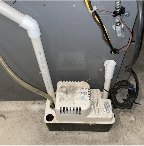
Air conditioners and furnaces don’t create water leaks intentionally—but poor maintenance makes it likely.
Common Problems:
- Clogged condensate drain lines.
- Leaky drip pans.
- Poor insulation causing condensation on ducts.
Warning Signs:
- Water stains on ceilings near vents.
- Damp insulation around ductwork.
- Musty smells near HVAC closets.
Prevention:
- Change filters regularly.
- Have systems serviced annually.
- Make sure condensate drains flow freely.
Your HVAC should keep you comfortable, not double as a swamp maker.
Plumbing Systems: The Lifelines of Your Home
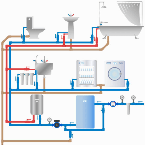
Last but definitely not least: plumbing. Pipes snake through every wall, ceiling, and floor. They’re out of sight, out of mind—until one springs a leak.
Key Areas to Inspect:
- Under sinks.
- Around toilets.
- Behind appliances like water heaters.
Signs of Trouble:
- Mold or mildew on walls.
- Water stains or soft spots on floors.
- Sounds of dripping or running water when nothing’s on.
Prevention:
- Inspect supply lines yearly.
- Insulate pipes in cold climates to prevent bursts.
- Consider whole-house leak detection systems.
Plumbing is like veins in the human body. When one bursts, you know it. Better to keep them healthy before they fail.
Why Leaks Matter More Than You Think
Leaks aren’t just inconvenient—they impact:
- Health: Mold and mildew trigger allergies and asthma.
- Finances: Small leaks cost hundreds; ignored leaks cost thousands.
- Resale Value: Home inspectors always spot water issues. Buyers don’t love moldy basements.
- Comfort: Dampness makes homes feel cold and musty.
Prevention is cheaper than repairs. Always.
Conclusion
Water doesn’t care about your schedule, your wallet, or your weekend plans. It only cares about finding the path of least resistance. But by knowing where it hides—and checking regularly—you can stop it before it wins.
So grab a flashlight, keep your sense of humor, and remember: when it comes to leaks, the best defense is a good offense. Because in the eternal game of you vs. water, you really want to stay undefeated.
FAQ - Finding Water Leaks
Q: What are common locations to check for water leakage in a home?
Common locations to check for water leakage in a home include the kitchen (under the sink, around the dishwasher), bathroom (around the toilet, shower, and bathtub), basement (around the water heater, sump pump, and pipes), and laundry room (around the washing machine and utility sink).
Q: How can I notice water leakage in my home?
You can notice water leakage in your home by looking for signs such as water stains on walls or ceilings, musty odors, damp or wet spots on floors or carpets, and an increase in your water bill.
Q: What are some outdoor locations to check for water leakage?
Outdoor locations to check for water leakage include the sprinkler system, outdoor faucets, and the swimming pool or hot tub. The roof and looking for any missing shingles could also be on this list.
Q: What should I do if I notice water leakage in my home?
If you notice water leakage in your home, it is important to identify the source of the leak and address it promptly to prevent further damage. This may involve repairing a pipe, replacing a faulty appliance, or sealing a crack in the foundation. If the leak is extensive, it is advisable to seek professional help.
Q: Can small water leaks really cause serious damage if left untreated?
Yes. Even small, slow leaks can lead to significant problems over time, including mold growth, wood rot, weakened structural components, and damage to drywall and insulation. Early detection and repair are key to preventing costly repairs and maintaining a healthy indoor environment.