
Windows and Doors: What a Home Inspection Reveals About Comfort, Energy, and Risk
Written by Erich Kamprath, CPI. Dedicated to Education and Setting Minds at Ease in Okanagan Real Estate.
How Inspectors Evaluate Windows and Doors as Part of the Building Envelope
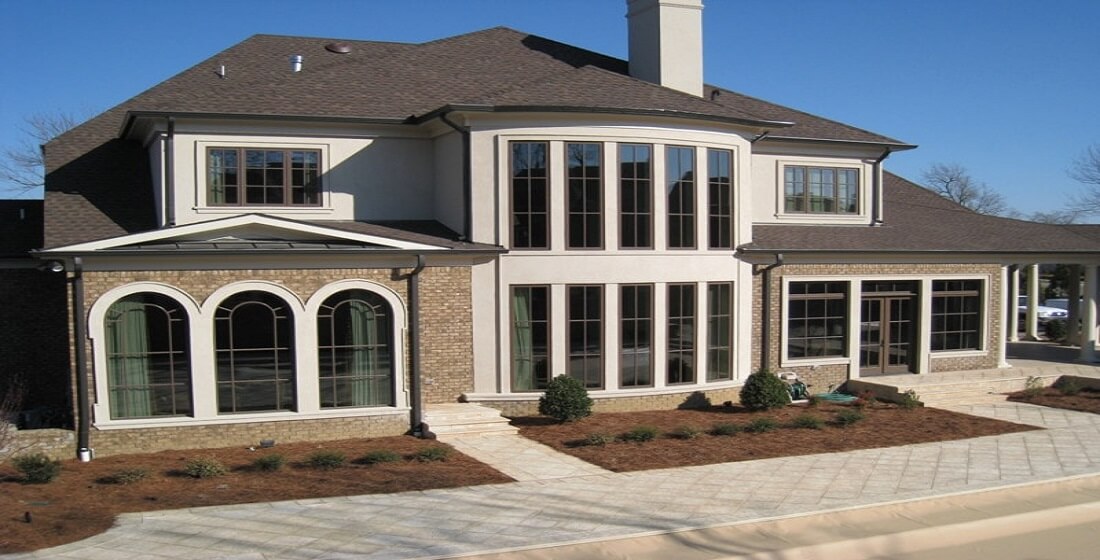
How Inspectors Think About Windows and Doors
From an inspection standpoint, windows and doors are not viewed as standalone upgrades or cosmetic features. They are evaluated as part of the home’s broader building envelope, where energy control, moisture management, and long-term durability all intersect.
How these components are designed, installed, and maintained can influence comfort, operating costs, and risk patterns throughout the home.
In my experience inspecting homes across a wide range of ages, window and door concerns often exist even when everything appears to be “working.” As a frequent example, older homes frequently still have original metal windows, which tend to lose significant energy through thermal transfer and aging seals.
In both older and newer homes, installation quality plays a major role. Window systems rely on multiple steps working together, and differences between wood, vinyl, and even specific vinyl designs can affect how well those systems perform over time.
Key Takeaways
- Windows and doors are part of the home’s building envelope, not just cosmetic upgrades.
- Installation quality often matters more than frame material or glass type.
- In Okanagan conditions, solar exposure and temperature swings accelerate wear on seals and frames.
- No window type is universally “best” — performance depends on context, placement, and installation.
- Energy ratings provide guidance, but they do not guarantee comfort or moisture control.
- Many window concerns are subtle and manageable without immediate replacement.
- Windows and doors don’t need to be perfect — they need to work with the home as a system.
Windows and Doors as Part of the Building Envelope
Windows and doors represent intentional openings in the exterior wall system, making them one of the most sensitive points for heat loss, air movement, and moisture exposure. Their performance is tied not only to the frame and glass itself, but also to how well they integrate with surrounding wall assemblies, exterior finishes, and interior air barriers. Because of this, issues related to windows often appear as secondary symptoms elsewhere in the home.
Climate plays a significant role as well. In regions with strong seasonal sun exposure, such as the Okanagan, South and West-facing windows tend to experience greater thermal stress and accelerated wear. Condensation at some point during the year is common—even in higher-quality windows—and is often influenced by temperature swings rather than outright product failure.
What a Home Inspection Can Realistically Assess
A home inspection evaluates windows and doors through a visual, non-invasive assessment focused on condition and operation at the time of inspection. Inspectors observe installation details, visible wear, seal condition, operation, and surrounding materials, providing context for how these systems are performing today. This approach helps homeowners and buyers understand current condition and potential areas of concern without making assumptions about future performance.
The Building Envelope: Why Windows Matter So Much
Windows represent one of the most complex and vulnerable transitions in the building envelope. Unlike solid wall assemblies, they interrupt insulation layers, air barriers, and moisture control planes. Lake-adjacent properties, such as those found in Lake Country, often experience higher wind exposure and sun reflection, which can accelerate exterior wear. Because of this, window performance often influences multiple systems at once, even when no single failure appears obvious.
Heat Loss, Air Leakage, and Interior Comfort
Why Glass Is the Weakest Part of the Wall
Even modern high-performance glazing cannot insulate as effectively as a properly constructed wall. As a result, windows are typically the primary location for heat loss during colder months and heat gain during warmer periods. This does not indicate poor quality, but rather reflects the physical limitations of glass compared to insulated framing.
Air Movement and Perceived Drafts
Air leakage around window frames, trim, or operable components can significantly affect comfort. Drafts are often noticed long before measurable temperature changes occur, and they may be related to installation details, aging seals, or differential movement between materials rather than the window unit itself.
Moisture Control and Drainage
Flashing and Water Management Details
Windows must manage water that reaches them, not prevent exposure entirely. Proper flashing integration directs moisture away from wall assemblies and toward exterior drainage paths. In high rainfall areas lots, such as those common in the Shuswap and Blind Bay, proper flashing and drainage detailing becomes especially important for long-term moisture control. When these details are missing, incomplete, or compromised, water can migrate into concealed spaces, where damage may develop slowly and remain hidden.
Weep Systems and Pressure Equalization
Most modern window designs rely on internal drainage systems to manage incidental moisture. Weep openings allow collected water to exit the frame assembly. When these systems are blocked, sealed over, or improperly installed, moisture may accumulate within the frame or surrounding materials, increasing the risk of deterioration over time.
UV Exposure and Material Aging
Interior Finishes and Sun Exposure
Prolonged ultraviolet exposure through windows can contribute to fading of interior finishes, flooring, and furnishings. While this is often viewed as a cosmetic issue, it also reflects the intensity of solar exposure that window assemblies experience throughout the year.
Seal Degradation and Orientation Effects
South and West-facing windows are typically subjected to greater thermal cycling and UV stress. Over time, this exposure can accelerate wear of seals, gaskets, and glazing units. Orientation does not imply failure, but it does help explain why similar windows may age differently depending on their location within the home.
Window Frame Materials in Real Homes (Not Sales Brochures)
From an inspection standpoint, window frame materials are evaluated based on how they perform over time, how they interact with the surrounding wall assembly, and how maintenance patterns influence long-term durability. Marketing materials often focus on ideal conditions and short-term performance, while inspections focus on real-world aging, exposure, and installation outcomes. In many homes around Kelowna, vinyl windows are common due to their cost, availability, and compatibility with modern building styles.
Vinyl Frames: Common Strengths and Practical Limitations
Strengths commonly observed
- Good thermal performance compared to older metal-framed windows
- Low routine maintenance requirements
- Resistant to rot and moisture-related material decay
- Consistent performance when seals and installation details are done correctly
Inspection considerations
- Brittleness or distortion in older installations or lower-grade products
- Seal degradation over time, particularly on sun-exposed elevations
- Performance varies significantly depending on window grade and installation quality
- Frame movement or warping can affect long-term air and water tightness
Metal Frames: Durability Versus Energy Reality
Strengths commonly observed
- High structural rigidity and long material lifespan
- Minimal frame warping over time
- Many older units remain operational decades after installation
Inspection considerations
- Significant thermal bridging, leading to heat loss
- Higher likelihood of interior condensation during temperature swings
- Limited insulating value compared to modern framed assemblies
- Frequently encountered in older homes where energy efficiency standards differed
Wood and Hybrid Frames: Performance With Responsibility
Strengths commonly observed
- Natural insulating properties of wood materials
- Architectural compatibility with heritage and custom-designed homes
- Hybrid systems combine interior wood with exterior cladding for improved durability
Inspection considerations
- Higher sensitivity to moisture if finishes or seals are not maintained
- Visible deterioration when coatings fail or drainage is compromised
- Maintenance history plays a significant role in long-term performance
- Often selected for aesthetic or architectural reasons rather than efficiency alone
Performance Metrics Buyers Hear About (and What They Really Mean)
Window performance numbers are often used in marketing and comparison charts, but during an inspection, these values are understood as part of a broader system. Numbers can be helpful for context, but they do not replace proper installation, integration with the wall assembly, or real-world exposure conditions.
R-Value in Context
R-value measures resistance to heat flow, and higher numbers generally indicate better insulating performance. However, during inspections, R-value is considered alongside frame material, air sealing, and installation quality. A high-rated glazing unit installed poorly can underperform a lower-rated window that is properly integrated into the building envelope.
From an inspection perspective, comfort complaints and heat loss are more often related to air leakage or frame movement than glass performance alone.
SHGC and Solar Exposure
The Solar Heat Gain Coefficient (SHGC) describes how much solar heat passes through the window. Lower values reduce heat gain, while higher values allow more passive solar warming. In climates with strong seasonal sun exposure, in particular West Much of West Kelowna and Coldstream, South and West-facing windows experience significantly more thermal stress over time.
Inspectors consider solar exposure when evaluating seal condition, condensation history, and material aging, rather than treating SHGC as a standalone indicator of window quality.
Why Numbers Don’t Replace Installation Quality
Performance metrics describe laboratory conditions, not long-term behavior once a window is exposed to weather, movement, and use. Improper flashing, missing air barriers, or inconsistent sealing can negate even the best-rated window systems.
This distinction is important during inspections, as it helps explain why a window can appear modern or high-efficiency on paper while still contributing to drafts, moisture intrusion, or condensation concerns in real homes.
Installation Quality: The Hidden Variable
Even high-quality windows and doors depend heavily on how well they are installed. From an inspection perspective, performance issues are more often tied to integration details than to the window or door unit itself. Installation quality influences moisture control, long-term operation, and how materials respond to seasonal movement.
Flashing, Sealing, and Integration with Siding
Proper flashing is one of the most important elements of window installation. The goal is not simply to “seal water out,” but to manage water safely if and when it gets behind exterior finishes. That layered approach is what protects wall assemblies over the long term.
When flashing is missing or incomplete, water can migrate into the wall system and sometimes show up as subtle staining on interior sills or trim long before obvious damage is visible. This risk increases when caulking is used as a substitute for head flashing, or when replacement windows are installed without being properly integrated behind existing siding or stucco.
Basement window additions are another area where installation details matter. When sill heights are too close to finished grade, splash-back and snow accumulation increase moisture exposure and can reduce drying potential over time.
Alignment, Operation, and Long-Term Wear
Windows and doors are designed to operate within tight tolerances. If units are installed too tightly, without allowance for building movement or material expansion, operational issues can develop even in relatively new installations.
Binding, twisting, or difficulty opening and closing often point back to alignment problems rather than product failure. These issues can show up more often on south- and west-facing elevations, where heat exposure and thermal cycling are greatest. Doors are subject to the same forces, and similar installation shortcuts can lead to premature wear or functional concerns.
Renovation Indicators Inspectors Notice
Replacement windows installed during renovations sometimes reveal subtle integration issues rather than obvious defects. Exterior seals that fail early, uneven operation, or visible distortion in vinyl frames can indicate installation stress that was present from the outset but went unnoticed. In smaller communities like Armstrong, One can often encounter window replacements completed during renovations or additions, where installation quality can vary significantly.
In some cases, surrounding finishes appear intact while the window unit itself shows signs of strain. These patterns help inspectors assess overall installation quality without assuming product defects or assigning fault.
In my experience inspecting homes, most window and door systems I encounter are functioning as intended. When issues do arise, they are typically tied to missing or incomplete head flashing, reliance on surface caulking instead of layered water management, or installation that did not account for heat exposure and material movement—particularly on sun-facing elevations. These are not dramatic failures, but small details that influence long-term performance and durability, which is why they are noted during an inspection.
Doors as Part of the Same System
Doors are evaluated the same way as windows: as part of the building envelope. An exterior door is not just a moving panel, it is a weather boundary that has to manage air leakage, bulk water at the threshold, and long-term wear from use and seasonal movement.
| What inspectors commonly observe | Why it matters in real ownership |
| Threshold and sill condition, including visible gaps or deterioration | Gaps can allow water entry, drafts, and moisture exposure at floor edges |
| Door alignment, latch engagement, and how smoothly the door closes | Poor alignment can worsen air leakage and accelerate wear on seals and hardware |
| Weather-stripping presence and compression | Worn seals often explain drafts and comfort complaints more than insulation does |
| Evidence of moisture staining or swelling at lower corners | Lower door areas are a common water stress point, especially during melt or heavy rain |
| Condition of caulking and trim where the door meets siding or cladding | Exterior detailing influences how well water sheds away from the opening |
Exterior Doors and Thresholds
Thresholds are one of the most common stress points on exterior doors because they sit at the transition between outside water exposure and interior flooring materials. Inspectors pay close attention to visible gaps, worn sill components, and any staining or swelling that suggests repeated wetting.
Door condition at the bottom edge often matters more than the door surface itself. A well-finished door can still have moisture risk if the threshold is worn or if water is consistently collecting at the entry.
Air Leakage and Weather-Stripping
Drafts around doors are frequently tied to worn weather-stripping, poor compression at seals, or misalignment that prevents the door from closing tightly. Inspectors look at the continuity and condition of sealing components because small gaps can translate into noticeable comfort issues.
This is also one of the reasons doors are evaluated as “systems,” not just as surfaces. A door that looks visually fine can still perform poorly if the sealing and alignment details are off.
Why Door Condition Affects Comfort and Moisture Like Windows
Doors, like windows, create openings through the building envelope. When detailing is incomplete or components wear out over time, the result is often the same pattern seen with windows: drafts, temperature swings near the opening, and occasional moisture staining at interior finishes.
During inspections, door observations are recorded in the same spirit as window observations: they help explain comfort, durability, and moisture behavior, and they provide context for where future attention may be warranted.
Common Misunderstandings About New Windows
New windows often come with strong expectations. Modern systems can perform very well, but inspection discussions frequently involve clarifying how those expectations line up with real-world conditions. The goal here is simple: align assumptions with how windows actually behave in homes.
- “New windows are maintenance-free.” New windows typically require less upkeep than older systems, but they are not maintenance-free. Seals, hardware, drainage paths, and finishes still age and respond to weather exposure. Routine observation and basic care remain part of long-term performance, regardless of window age.
- “Triple-pane windows eliminate drafts.” Triple-pane glazing can improve insulation and sound reduction, but drafts are usually related to air leakage rather than glass thickness. Installation quality, sealing, and integration with the wall assembly play a larger role in whether a window feels drafty than the number of panes alone.
- “Energy ratings guarantee performance.” Energy ratings describe how a window should perform under standardized conditions. In real homes, performance is influenced by orientation, exposure, installation details, and surrounding materials. Ratings are helpful context, not a guarantee of comfort or durability.
When Further Evaluation Is Commonly Recommended
Home inspections assess windows visually and functionally at a point in time. In some cases, conditions are observed that make it reasonable to recommend further evaluation. These notes are not a judgment that the window has failed; they are included to reduce uncertainty and help owners and buyers understand where more information may be warranted.
- Moisture staining or interior water evidence. Staining on sills, finishes, or adjacent materials can indicate past or active moisture entry. Further evaluation helps determine whether the issue is historical, resolved, or ongoing.
- Seal failure or glazing concerns. Fogging between panes, visible seal deterioration, or inconsistent glazing performance may warrant additional assessment to understand impact and likely next steps.
- Installation-related concerns. Observations such as missing flashing components, unconventional sealing methods, or questionable integration with siding or stucco systems are commonly flagged for review by qualified professionals.
- Operation or alignment issues. Windows or doors that bind, twist, or do not operate smoothly can indicate installation stress, frame distortion, or material movement, even when the unit is relatively new.
In my experience, the most common reaction from buyers is surprise, simply because they did not notice any visible problems during their walkthrough. Window issues are often subtle, and differences in interior versus exterior light can easily mask small defects. A frequent example is a crack in only one pane of a multi-pane window, which can look far more concerning in an inspection photo than it feels in real life. In many cases, if there is no noticeable draft and the window is operating normally, this is primarily a cosmetic issue rather than an immediate replacement concern. My role is to document what is present and explain what it likely means, so clients can distinguish between conditions that affect comfort or durability and those that are more about appearance.
Final Perspective
Windows and doors are not standalone upgrades or isolated components. They are part of the home’s broader building envelope, interacting with structure, insulation, exterior finishes, and interior comfort. Their condition and performance are best understood in context, not judged by age, marketing claims, or appearance alone. Windows and doors do not need to be flawless to be effective; they need to work with the home and support how the building manages heat and moisture over time.
From an inspection standpoint, the goal is clarity, not perfection. Modern materials, improved glazing, and better installation practices have absolutely improved how homes perform, especially in climates like the Okanagan where sun exposure, seasonal temperature swings, and solar gain place real demands on windows and doors. Understanding what you are gaining, what is simply cosmetic, and what may warrant attention in the future helps buyers and owners make confident, informed decisions without unnecessary concern.
In the end, well-performing windows and doors quietly do their job. When they are understood properly, they support comfort, durability, and energy efficiency, and they help homeowners move forward with confidence instead of questions.
Frequently Asked Questions About Windows and Doors (Inspection Perspective)
Can a home inspection tell me if my windows are “energy efficient” in real-world use?
A home inspection can identify the window type, visible glazing configuration, and general condition, but it does not measure actual energy performance. Inspectors look for indicators such as pane count, frame material, visible seal condition, and signs of air leakage. Efficiency ratings, manufacturer claims, and real-world energy savings are outside the scope of an inspection.
Is condensation on windows always a sign that the window has failed?
Not necessarily. Condensation can occur due to seasonal temperature swings, indoor humidity, and solar exposure, even on newer or higher-quality windows. Inspectors differentiate between normal surface condensation and seal failure, which typically shows as moisture trapped between panes.
If only one pane of a double- or triple-pane window is cracked, does it need immediate replacement?
In many cases, a crack in a single pane does not affect immediate performance if there is no noticeable air leakage or moisture intrusion. Inspectors note the condition so buyers and owners understand what is present, but replacement decisions are typically based on comfort, aesthetics, and long-term considerations rather than urgency.
Why do inspectors comment on window installation details even when the windows look new?
Because installation quality often matters as much as, or more than, the window itself. Inspectors look for visible flashing, sealing, alignment, and integration with siding or stucco. Even new windows can develop problems if critical installation steps were missed, especially around moisture control.
Do triple-pane windows eliminate drafts and comfort issues automatically?
Triple-pane glazing can improve insulation and sound reduction, but it does not guarantee comfort on its own. Drafts are more often related to installation details, air sealing, and framing integration than the number of glass panes. Inspectors evaluate the system as a whole, not just the glass.
Are older metal-frame windows automatically considered a defect during a home inspection?
Older metal-frame windows are not automatically defects. Inspectors document them because they typically have higher heat loss and condensation potential compared to modern materials. Their presence provides context for comfort, energy expectations, and future planning rather than a pass-or-fail judgment.
Why do inspection reports sometimes recommend further evaluation for windows or doors that “work fine”?
Because inspections are visual, non-invasive, and point-in-time assessments. If there are signs of moisture staining, seal degradation, installation concerns, or inconsistent operation, an inspector may recommend further evaluation to better understand long-term risk, not because failure is guaranteed.