
🔥What is a WETT Inspection / Wood Burning Device Inspection?
🔥Wood Burning Inspections - WETT - All The Details You May Need for Information and Education!
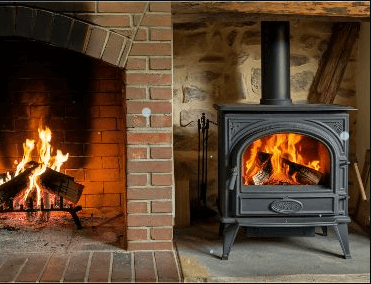
Introduction to WETT Inspections
Key Takeaways
- Erich Kamprath with At Ease Property Inspections is certified for code compliance Level 1 WETT Inspections for wood burning Fireplaces and Stoves
- WETT inspections are thorough examinations of wood-burning systems to ensure they meet safety standards and regulations.
- Home buyers should prioritize WETT inspections to identify potential safety hazards and ensure the wood-burning system is in good condition.
- WETT inspections can help homeowners obtain insurance coverage for their wood-burning systems and potentially lower insurance premiums.
- Hiring WETT-certified professionals ensures expertise and knowledge in conducting inspections and providing accurate assessments.
- WETT inspections can save money in the long run by preventing costly repairs and ensuring the wood-burning system is able to be operated efficiently and safely.
The Importance of WETT Inspections for Home Buyers
Uncovering Hidden Issues
A thorough WETT Inspection Service can reveal any existing issues that may require immediate attention or costly repairs, allowing buyers to make informed decisions before finalizing their purchase.

A Valuable Negotiating Tool
- Moreover, a WETT inspection can serve as a valuable negotiating tool during the home buying process.
- If significant issues are discovered, buyers can use this information to negotiate repairs or price adjustments with the seller.
- This proactive approach not only protects the buyer's investment but also ensures that they are not inheriting potential liabilities associated with unsafe or improperly installed wood-burning appliances.
Empowering Home Buyers
In essence, a WETT inspection empowers home buyers with knowledge and confidence as they navigate the complexities of purchasing a new home.
How WETT Inspections Can Help with Insurance
Insurance companies often require proof of a WETT inspection before providing coverage for homes with wood-burning appliances. This requirement stems from the need to mitigate risks associated with fire hazards and ensure that homeowners are taking necessary precautions to maintain their systems.
- Obtaining a WETT inspection shows homeowners demonstrate to their insurance providers that they are committed to safety and compliance, which may lead to lower premiums or more favorable coverage options.
- Having a WETT inspection on record can be beneficial in the event of a claim related to fire damage or other incidents involving wood-burning appliances. Insurance companies may scrutinize claims more closely if there is no documentation of a recent inspection.
- Proactively addressing potential issues through a WETT inspection, homeowners can protect themselves from future disputes and ensure that they have adequate coverage in place.
The Benefits of Using WETT-Certified Professionals
Erichs WETT-Certified Professional Page highlights his expertise, and engaging a qualified certified professional offers numerous advantages that go beyond mere compliance with regulations.
Training and Education
These experts possess specialized training and knowledge that enable them to identify potential hazards and inefficiencies in wood-burning systems. Their expertise ensures that homeowners receive accurate assessments and recommendations tailored to their specific situations.
Ongoing Professional Development
Furthermore, WETT-certified professionals are well-versed in the latest industry standards and best practices. This knowledge allows them to provide valuable insights into optimizing the performance of wood-burning appliances while minimizing environmental impact.
By choosing a certified inspector, homeowners can rest assured that they are receiving top-notch service and guidance from someone who is dedicated to promoting safety and efficiency in wood energy technology.
Ensuring Safety and Compliance with WETT Inspections
Safety is paramount when it comes to wood-burning appliances, and WETT inspections play a crucial role in ensuring compliance with safety standards. These inspections help identify potential fire hazards, such as creosote buildup in chimneys or improper clearances from combustible materials. By addressing these issues promptly, homeowners can significantly reduce the risk of fire-related incidents and protect their families and properties. In addition to fire safety, WETT inspections also ensure that wood-burning appliances operate efficiently and effectively. An inefficient system not only poses safety risks but can also lead to increased fuel consumption and higher heating costs. By ensuring compliance with industry standards through regular inspections, homeowners can enjoy peace of mind knowing that their wood-burning systems are safe, efficient, and environmentally friendly.
Common Issues Found During WETT Inspections
WETT inspections often reveal a range of common issues that homeowners may not be aware of regarding their wood-burning appliances. One prevalent concern is creosote buildup within chimneys, which can pose a significant fire hazard if left unaddressed.
- Creosote is a byproduct of burning wood and can accumulate over time, leading to dangerous conditions if not regularly cleaned and maintained.
- Another common issue identified during inspections is improper installation or inadequate clearances from combustible materials. Many homeowners may not realize that specific guidelines dictate how far away flammable materials must be from wood-burning appliances. Failure to adhere to these guidelines can result in dangerous situations that compromise the safety of the home.
By identifying these issues during a WETT inspection, homeowners can take corrective action before they escalate into more significant problems.
If you are interested in more specifics here is an interesting article from WETT Canada CHIMNEY FIRE FACTS where they discuss some pieces homeowners can look for.
How WETT Inspections Can Save Money in the Long Run
Investing in a WETT inspection may seem like an additional expense for homeowners; however, it can lead to significant savings in the long run. By identifying potential issues early on, homeowners can address them before they develop into costly repairs or replacements. For instance, resolving minor inefficiencies in a wood-burning appliance can lead to reduced fuel consumption and lower heating costs over time. Moreover, regular WETT inspections can extend the lifespan of wood-burning appliances by ensuring they are operating safely and efficiently. Well-maintained systems are less likely to experience breakdowns or require expensive repairs, ultimately saving homeowners money on maintenance costs. By prioritizing WETT inspections as part of their home maintenance routine, homeowners can enjoy both financial savings and peace of mind.
Making Informed Decisions with WETT Inspections
In conclusion, WETT inspections empower homeowners with the knowledge they need to make informed decisions regarding their wood-burning appliances. By understanding the importance of these inspections and engaging certified professionals, homeowners can ensure their systems are safe, efficient, and compliant with regulations. This proactive approach not only protects their investment but also enhances their overall quality of life by providing peace of mind. As home buyers navigate the complexities of purchasing a property with wood-burning appliances, having a thorough understanding of the WETT inspection process becomes invaluable. Armed with this knowledge, they can confidently assess potential homes and make decisions that align with their safety and financial goals. Ultimately, WETT inspections serve as an essential tool for promoting safety, efficiency, and informed decision-making in the realm of wood energy technology.
Another beneficial Article from WETT on Frequently Asked Questions
I have provided a Good amount of related WETT Inspection questions below in the FAQ or in my Website wide Database of Questions.
Finally another In-depth website and information page. They are another industry professional in Ontario and have a wealth of information on their website for WETT Questions WETT Inspection Barrie Ontario. I have used pieces of this website for my own aggregated information.
Questions about Any Wood Burning Device or WETT Inspection? Message and Ask!
Frequently Asked Questions About WETT Inspections
What is a WETT inspection for a wood-burning stove or fireplace?
A WETT inspection is a safety-focused evaluation of a wood-burning appliance and its installation, completed by a WETT-certified inspector. The inspection looks at how the appliance is installed, how it connects to the venting system, required clearances to combustibles, hearth protection, and overall visible condition. The goal is to determine whether the installation meets current WETT standards and manufacturer requirements.
Why do home buyers often need a WETT inspection before purchasing a home?
Home buyers commonly need a WETT inspection to confirm that an existing wood-burning appliance is installed safely and can be insured. Many insurers will not bind or continue coverage until a compliant WETT report is provided. A WETT inspection also helps buyers understand potential safety concerns, upgrade needs, or installation deficiencies before finalizing a purchase.
Is a WETT inspection required for home insurance in British Columbia?
In many cases, yes. Insurance providers frequently require a WETT inspection for homes with wood-burning appliances such as stoves, fireplaces, inserts, or furnaces. Requirements vary by insurer, but a current WETT report is often requested when starting a new policy, switching insurers, or purchasing a home with a solid-fuel appliance.
What types of wood-burning appliances typically require a WETT inspection?
Most appliances that burn wood or solid fuel may require a WETT inspection for insurance purposes. This commonly includes freestanding wood stoves, fireplaces, fireplace inserts, pellet stoves, wood furnaces, boilers, and hearth-mounted appliances. As a general rule, factory-built appliances that are installed into a home almost always require a WETT inspection, while site-built masonry systems are less common and evaluated differently.
What does a WETT inspector actually look for during the inspection?
A WETT inspector visually evaluates the appliance and venting system, checking clearances to combustibles, floor and wall protection, chimney components, support, and visible condition. The inspection also considers whether the installation aligns with manufacturer specifications and WETT standards. It is a visual, non-invasive assessment focused on safety and compliance, not performance testing.
Can a WETT inspection fail even if the wood stove appears to work fine?
Yes. A wood-burning appliance can operate and still be considered non-compliant. Common issues include insufficient clearances, missing heat shields, improper hearth protection, unsupported chimney sections, or outdated installation practices. WETT inspections focus on safety and installation standards rather than whether the appliance produces heat.
Do older wood-burning installations still need to meet current WETT standards?
In many situations, yes. Insurance providers typically expect installations to meet current safety standards, even if the appliance was installed decades ago. Older installations are a common source of WETT deficiencies, especially where clearances, venting components, or floor protection no longer meet today’s requirements.
Is a WETT inspection the same as a home inspection?
No. A home inspection provides a general overview of the home’s systems and structure, while a WETT inspection is a specialized inspection focused solely on solid-fuel-burning appliances. Many buyers choose to complete both inspections, as they serve different purposes and provide different types of information.
How long is a WETT inspection report valid for insurance purposes?
Validity periods vary by insurer, but many insurance companies prefer WETT reports completed within the last 12 months. Some insurers may accept older reports if no changes have been made to the appliance or venting system, while others require a new inspection when ownership changes.