
⁉️Questions You Should Always Ask Your Home Inspector
A List of Targeted and Beneficial Questions to ask your Home Inspector (and what they mean)
Introduction - Why Does this Matter?
Buying a home feels a bit like stepping into a new chapter with equal parts excitement and healthy nerves. You're not just choosing paint colors or daydreaming about backyard barbecues. You’re investing in a massive piece of your future. That’s why asking the right questions during the home inspection matters more than most people realize. A solid inspection doesn’t just point out what’s broken; it gives you a clearer picture of how the home has been loved, lived in, repaired, and maintained over the years.
A Wise Man Once Said: DON'T PANIC!
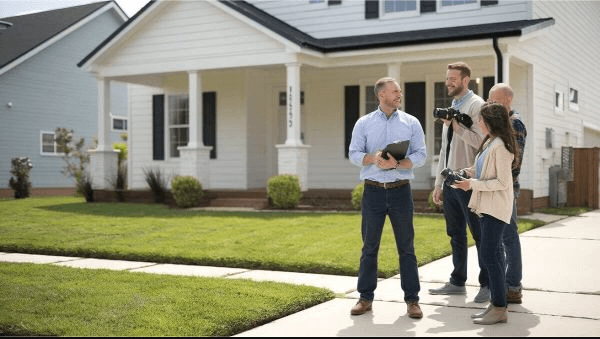
This man did not live in the Okanagan valley, yet many buyers freeze up the moment the inspector walks in with a clipboard. They don’t know what they’re “supposed” to ask, so they nod politely and hope everything comes up roses. The truth? Inspectors expect questions. Good ones. Your curiosity helps them guide you, and it helps you understand what you're really buying.
A home inspection isn’t a passive event. It’s a front-row learning experience, and the more you engage, the more confident you’ll feel when you're signing stacks of papers on closing day. When you ask smart, targeted questions, you turn a mysterious process into a clear, empowering conversation. And trust me—when you're about to invest hundreds of thousands of dollars, empowerment looks pretty darn good. 😄
Below is a breakdown of the questions every buyer should keep in their back pocket, broken down by section so everything stays simple, readable, and incredibly useful.
Key Takeaways
- Asking the right questions helps you get a thorough, transparent inspection
- Choosing a trustworthy, qualified inspector sets the tone for the whole process
- Inspectors with great attention to detail protect you from hidden surprises
- Understanding how the process works helps you get the most out of it
- Ask questions about structure, systems, exterior, interior, environmental issues, and maintenance
- Good questions build trust, clarity, and confidence
Trustworthy Home Inspector: What to Look for in a Home Inspector
Think of the home inspector as your personal guide into the parts of a house most homeowners barely think about—attics, crawlspaces, wiring closets, rooflines, and all the places you definitely wouldn’t explore on a weekend for fun. Because of that, choosing the right person isn’t optional; it’s essential. Kelowna and the Central Okanagan have many different styles of homes. Local experience and expertise is important.
Professional Designation:
Look for inspectors who are certified, licensed, and proud members of recognized organizations like ASHI or InterNACHI (Read more about this good choice!). Memberships like these show they take education seriously, follow strict standards, and keep up with ongoing training. That means they’re not relying on a dusty inspection manual from 2004.
Referrals:
Personal recommendations matter too. A referral from a trusted friend, family member, or realtor can point you toward someone who not only knows the technical side of the job but can also communicate clearly. Nothing beats an inspector who can explain a complicated HVAC problem in simple terms instead of burying you under jargon. See At Ease Property Inspection Reviews by both Realtors and Clients!
Communication:
A trustworthy inspector should be approachable—someone who encourages questions instead of brushing them aside. Open communication builds confidence. When you feel safe asking, “Hey, is that crack normal?” or “Should I be worried about this electrical panel?” you get way more value from the inspection.
You’re not hiring a robot with a flashlight; you’re hiring a guide, a teacher, and sometimes a friendly reality-check. 😉
Detailed Home Inspector: Why Attention to Detail Matters in Home Inspections
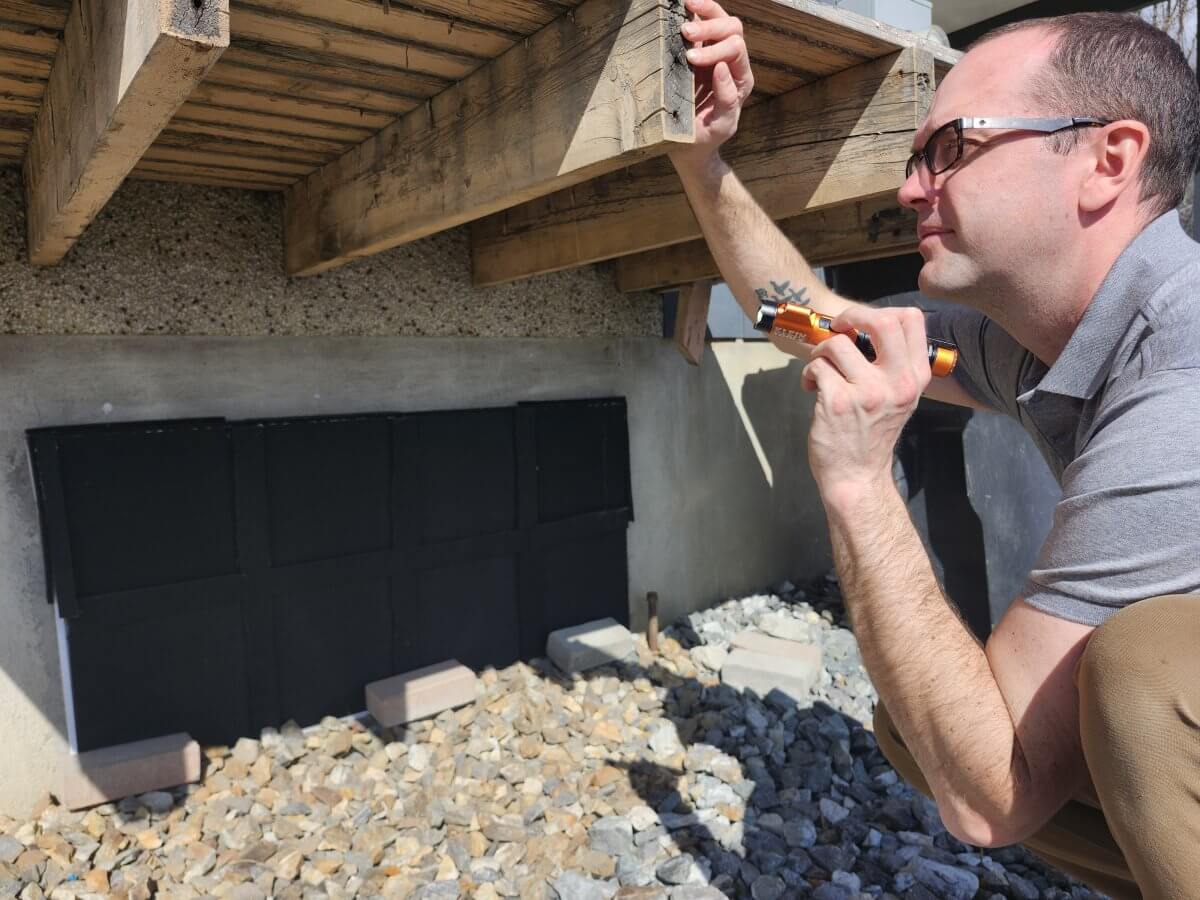
A good inspector can walk around a house and point out obvious issues. A great inspector digs deep—patiently, methodically, and with the curiosity of someone who’s determined to uncover anything that might cause trouble later.
Its in the details:
Attention to detail is the secret ingredient that separates average inspections from outstanding ones. You want the inspector who checks the attic for water stains, inspects the roof flashings, peers into crawlspaces with determination, and tests every outlet even if it’s behind furniture.
Knowledge of hidden signs:
Tiny clues often lead to big discoveries. A faint stain on a ceiling might reveal a lingering roof leak. A slight dip in a floorboard might uncover structural settling. A small trail of sawdust in a corner might be the calling card of carpenter ants. These little details matter because they give you a heads-up about issues that could turn into expensive headaches later.
Report Clarity:
A thorough inspector also provides a detailed written report—clear, organized, and full of recommendations. This becomes your roadmap for repairs, improvements, and long-term planning. It’s not just a report; it’s an investment tool.
And yes, sometimes the report looks a little intimidating. But don’t panic. Every home has quirks. A good inspector puts those quirks into context so you know what’s urgent, what’s cosmetic, and what’s just part of owning a home.
Understanding the Inspection Process: What to Expect During a Home Inspection
Walking into an inspection without knowing what’s going on can feel like walking into a movie halfway through—you miss the setup, and everything seems confusing. Understanding the process ahead of time helps you stay engaged and absorb what the inspector is showing you.
A typical inspection takes two to four hours depending on size, age, and complexity. Larger or older homes usually require more time because they have more systems, more repairs, and more history.
Inspection Process:
Here’s how most inspections flow: Read more here about process details
- Exterior first. The inspector checks roofing, gutters, siding, grading, drainage, decks, porches, and foundation walls.
- Major systems next. They examine electrical panels, wiring, outlets, plumbing, HVAC units, windows, insulation, and more.
- Interior spaces. Walls, ceilings, floors, appliances, doors, attic spaces, basement areas, and crawlspaces all get reviewed.
- Active testing. Inspectors often test outlets, run faucets, flush toilets, check water pressure, run major appliances, and test heating and cooling cycles when possible.
Attend the Walkthrough!
Buyers should always attend the inspection. Being present helps you see issues firsthand and ask questions while everything is being examined in real time. You’ll understand more in those few hours than you will from reading the report alone.
Your inspector should encourage questions throughout the entire walkthrough. If something looks odd, ask. If you don’t understand why something matters, ask. If you’re curious whether a repair is urgent or just a “keep an eye on it” item, ask.
Engaged buyers walk away more prepared, more confident, and way less stressed when closing day rolls around.
Questions About the Home’s Structure: Ensuring Safety and Stability
A home’s structure is its backbone. You can update the kitchen, paint the walls, or replace the carpet, but if the structure has issues, you’re dealing with something that goes far deeper than surface-level improvements.
Question List:
Here are essential structural questions to ask your inspector:
- Do you see any cracks that suggest structural movement? (Not all cracks are created equal. Some are harmless; others signal foundation concerns).
- Has the home experienced foundation settling or shifting? (Almost every home settles a little. Excessive settling? That’s a different story).
- Are the load-bearing components intact and properly supported? (This includes beams, joists, posts, and any modifications done during past renovations).
- Do you see any signs of moisture intrusion or water damage/decay in structural areas? (Water + Wood does not mix).
- Have renovations altered structural components? (DIY weekend warriors sometimes remove walls they shouldn’t. A quality inspector will spot it and discuss).
Your goal isn’t to become a structural engineer. Your goal is to understand whether the house is solid or if you’re walking into a money pit wearing rose-colored glasses.
Questions About the Home’s Systems: Plumbing, Electrical, and HVAC
If the structure is the home’s backbone, the utility systems are its organs. You want them healthy, efficient, and dependable.
Ask your inspector:
Plumbing: (Details on House Plumbing Here)
- How old are the water lines and drain lines?
- Are there signs of past or active leaks?
- What material are the pipes made of?
- How’s the water pressure throughout the home?
Electrical:
- Is the electrical panel up to current safety standards?
- Do you see any double-tapping or overloaded circuits?
- Are outlets grounded properly?
- Is the home still using outdated wiring like aluminum or knob-and-tube?
HVAC: (Details on AC/Heat Pumps/Geothermal)
- How old are the heating and cooling units?
- Are the systems functioning efficiently right now?
- When were they last serviced?
- What’s the expected remaining lifespan?
These systems don’t just affect comfort. They affect safety, insurance eligibility, energy costs, and long-term maintenance.
Questions About the Home’s Exterior: Roof, Siding, Foundation, and More
The exterior shields everything inside from rain, snow, wind, pests, and sun. If it fails, problems spread quickly. Consider this the skin of the home.
Exterior Questions:
Ask questions like:
- How old is the roof?
- Are there damaged shingles, flashing issues, or signs of leaks?
- Is the siding in good condition or showing signs of rot or warping?
- Is the grading sloped correctly away from the home?
- Do you see evidence of pests such as termites or carpenter ants?
- Are gutters installed properly and functioning? (You’d be surprised how often they’re not.) 😅
Exterior problems often hint at deeper issues inside, which is why inspectors spend so much time looking at the outside first.
Questions About the Home’s Interior: Walls, Floors, Ceilings, and More
Inside the home, you want to focus on comfort, safety, and signs of hidden damage. Most of the items on the list of conditions inside are wear and tear from normal usage, but some are indicators of hidden concerns:
Inside Questions:
A person could ask about:
- Do these cracks indicate structural movement or just cosmetic settling?
- Are these stains old or signs of current water intrusion?
- Are floors level and stable?
- Do windows open and close properly?
- Are there signs of past DIY repairs that might not meet safety standards?
- Were major renovations done with permits?
- Do you see any signs of mold or mildew behind finishes?
Inspectors look for clues. Something as small as a squeaky floorboard or a patched-over ceiling can tell a bigger story if you know what to ask.
Questions About Environmental Concerns: Mold, Radon, Asbestos, and Other Hazards
Environmental hazards are often invisible but can impact safety, health, and comfort. While these are officially out of scope of a general home inspection, They are regularly discussed at home inspections because of health concerns.
Environmental Concern Questions:
Ask your inspector:
- Do you recommend testing for radon in this area?
- Do you see any signs of mold, moisture intrusion, or conditions that could lead to mold?
- Are there materials here that could contain asbestos?
- Does the attic show signs of poor ventilation?
- Has the home experienced flooding in the past?
Even if the house looks clean, environment-related issues can pop up in strange places. Inspectors know where to look.
Questions About Maintenance and Repairs: Understanding Long-Term Needs
I love discussing maintenance. This keeps your house in good shape in the long term. I would estimate nearly 75+ or more summary items found could have been discovered and fixed by a home owner having a regular maintenance process.
Homes age, systems wear out, and parts break. Asking about long-term maintenance helps you plan realistically instead of getting blindsided by unexpected costs.
Maintenance and Repair Questions:
Good questions include:
- What maintenance tasks should be done seasonally?
- Which issues in your report should be addressed immediately?
- Which repairs can wait?
- What’s the expected remaining lifespan of the roof, HVAC, or water heater?
- What upkeep will the home require in the next few years?
- Are there signs the previous owner neglected routine maintenance?
The goal is to walk into homeownership prepared—not shocked.
The Value of a Thorough Home Inspection and the Power of Informed Questions
Closing Words:
A home inspection isn’t just a checkbox in the buying process. It’s your chance to understand every hidden corner of the place you may soon call “home.” When you ask thoughtful questions, you gain clarity, confidence, and peace of mind.
Education and Confidence:
You’ll understand where the home shines, where it struggles, and where you might need to budget for future improvements. You’ll also build trust with your inspector and walk away knowing you’ve taken an active role in protecting your investment.
Homes come with quirks, surprises, and a few mystery noises. Asking the right questions gives you the knowledge to handle all of that with confidence.
And when you walk through the front door on move-in day, you’ll know you bought wisely, asked smartly, and stepped into homeownership with eyes wide open. 💛
Learn More - Ask Us Questions!FAQ: Common Questions About Home Inspections
1. Should I attend my home inspection?
Yes — absolutely. Walking through the home with your inspector gives you context that a written report alone can’t provide. You’ll see issues firsthand, ask questions on the spot, and understand the home’s condition more clearly.
2. How long does a typical home inspection take?
Most inspections run between two and four hours depending on the home’s size, age, and complexity. Older homes or properties with multiple additions usually take longer because they have more systems and more history to explore.
3. Will the inspector tell me whether I should buy the house?
No. Inspectors report on the home’s condition, but the “should I buy it?” decision is yours. They’ll explain risks, repair needs, and concerns, but they won’t give a yes or no. Their job is to empower you with information, not make the decision for you.
4. Do home inspectors check for mold, asbestos, or radon?
Not automatically. This is generally considered out of scope for a General Home Inspection. Some inspectors offer add-on testing for environmental hazards, and others may refer you to specialists. Always ask whether additional testing is recommended based on the home’s age, location, or visible conditions.
5. Will the inspector find every single problem in the home?
Even the best inspectors can’t see through walls or predict the future. They identify visible, accessible issues, test the major systems, and look for warning signs. Think of the inspection as a snapshot of the home’s current visible condition — not an x-ray of hidden problems.
6. What should I do if the inspection reveals major issues?
Don’t panic. Major issues don’t always mean you should walk away. Instead, discuss your options with your realtor. You may negotiate repairs, request credits, or adjust your offer. An inspection gives you leverage and clarity, not just bad news.
7. How soon after the inspection do I get the report?
Most inspectors deliver the report within 24 hours, though some provide it the same day. At Ease Property Inspections almost always provides it during the evening of the same day. The report should be clear, detailed, and easy to navigate so you can review it carefully and make informed decisions.