
❄️Seasonal Maintenance Tips - Winter in British Columbia
❄️Winter-Proof Your Home: Preventing Common BC Issues (Pipes, Roofs, and Drainage)
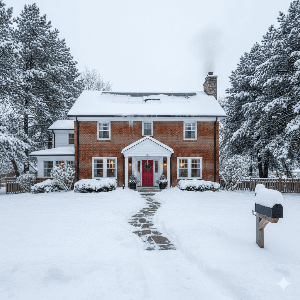
As the crisp air signals the shift of seasons in British Columbia, it's time for homeowners to shift focus toward vital seasonal maintenance. The BC winter brings unique challenges—freezing temperatures, heavy snowfall, and the risk of freeze damage—all of which demand proactive preparation to keep your home safe, efficient, and comfortable.
Proactive Steps for Winter Confidence
Implementing a comprehensive maintenance plan now is the key to protecting your investment and enhancing your overall living environment. This guide is specifically tailored for BC homeowners, offering practical, actionable insights on the most critical areas:
- Assessing Freeze Risks and Pipe Protection
- Understanding and Managing Roof Snow Load
- Optimizing Insulation and Heating Systems
- Ensuring Effective Drainage and Sealing Drafts
By taking control of these essential tasks, you'll gain the confidence and peace of mind necessary to navigate the colder months successfully and ensure your property remains secure against whatever the winter throws its way. Let's get started on winterizing your home!
Key Takeaways
- Seasonal maintenance is crucial for BC homes to prepare for the winter season
- Assessing freeze damage and preventing it is important for maintaining the integrity of the home
- Understanding roof snow load and managing it is essential for preventing structural damage
- Insulation is key in winter and should be checked for efficiency to ensure energy savings
- Proper drainage around the home should be checked and maintained to prevent water damage
Assessing Freeze Damage and Prevention Methods
Freeze damage is arguably the biggest winter threat to your home. When temperatures plummet, water inside your pipes freezes, expands, and can cause the pipes to burst. This leads to costly leaks and extensive structural damage. Taking proactive steps now can save you major headaches later!
Your Freeze Prevention Checklist
- Insulate Exposed Pipes: Focus on pipes in unheated areas, such as basements, attics, and crawl spaces. These are the most vulnerable. Use foam pipe sleeves (easy slip-on insulation) or, for extra security, consider installing heat tape.
- Seal Out Drafts: Temperature fluctuations drastically increase the risk of freezing. Use weather-stripping or caulk to seal air gaps around windows, doors, and utility penetrations. This not only protects pipes but also saves you money on heating.
- Maintain a Consistent Temperature: Even if you're leaving for the weekend, never turn your heat off completely. Keep the thermostat set to a minimum of 10-12 Degrees Celsius (~55*F). This ensures that the temperature near vulnerable plumbing areas stays safely above the freezing point.
By addressing these common risk areas before the first deep freeze hits, you can drastically reduce the chance of expensive pipe bursts and water damage.
🥶Understanding Roof Snow Load and How to Manage It
Roof snow load is a critical concern, especially in areas of BC prone to heavy snowfall. It refers to the excess weight that accumulated snow and ice place on your roof structure. Exceeding your roof's designed load-bearing capacity can lead to serious structural damage or even a catastrophic collapse.
Key Snow Management Strategies
- Know Your Capacity: While specific calculations are complex, homeowners should be aware of their roof's design (pitch, materials, and age) as these factors determine its general ability to withstand weight.
- Safe Snow Removal: Regularly clear snow, especially after a major storm, using a long-handled roof rake while standing safely on the ground. For thick, heavy, or icy build-up, or for steep roofs, it's safer and more effective to hire a professional snow removal service.
- Monitor Attic Ventilation: Ensure your attic is properly ventilated and insulated. Poor attic conditions allow heat to escape unevenly from the house, causing the snow on the roof to melt and refreeze, which is the primary cause of destructive ice dams.
- Watch for Ice Dams: Be vigilant for icicles and ice dams (ridges of ice) that form along the roof's eaves and in the gutters. Ice dams prevent melting snow from draining properly. This trapped water can back up under the shingles, leading to water infiltration and further increasing the load.
By proactively managing the snow and ice on your roof, you protect your home's structural integrity and prevent costly water damage inside.
🌨️Importance of Insulation in Winter and How to Check for Efficiency
Proper insulation is vital for a comfortable and energy-efficient home in the BC winter. It acts as a thermal barrier, preventing heat loss from inside your home and keeping cold air out. Adequate insulation not only regulates your indoor temperature but also significantly reduces your energy consumption and heating costs.
Assessing Your Home's Insulation
- The Target Areas: Focus your assessment on the most critical areas for heat loss: the attic, exterior walls, and basement/crawl spaces. Ensure the insulation meets or exceeds current local building standards for your region's climate.
- Visual Inspection: Conduct a visual check of your existing insulation (e.g., fiberglass batts in the attic). Look for signs of wear, moisture damage, compression, or gaps. Insulation that is damp or compacted loses much of its effectiveness.
- Identify Heat Leaks: Use an infrared thermometer or contact a professional for a home energy audit (blower door test). These methods accurately pinpoint areas where heat is escaping, such as thin spots in walls or poorly sealed ceilings.
- Upgrades and Maintenance: If your visual or thermal inspection reveals insufficient or damaged insulation, consider upgrading materials (e.g., loose-fill blown-in insulation in the attic) or adding new layers to boost your home's overall thermal efficiency before the deep cold sets in.
💧Checking and Maintaining Proper Drainage Around the Home
Effective drainage is non-negotiable for protecting your home's foundation, especially when dealing with heavy snowmelt and winter rain. Water accumulation near the foundation can lead to soil saturation, basement flooding, and costly structural damage.
Your Drainage To-Check List
- Clear Gutters and Downspouts: This is one of the most critical steps. Ensure all gutters are clear of leaves, sticks, and debris. Clogs prevent water from draining properly, leading to water cascading over the sides, pooling near the foundation, and contributing to the formation of damaging ice dams on the roof eaves.
- Extend Downspouts: Verify that your downspouts direct water several feet away from the foundation (ideally 5–10 feet). Use extensions if necessary to carry the runoff to a safe spot where it can soak into the ground without affecting the home.
- Inspect Property Grading: The ground surrounding your house should slope away from the foundation at a sufficient gradient. If you notice areas where water pools or slopes toward the house, you may need to regrade the soil or add fill dirt to facilitate better runoff.
- Consider Drainage Solutions: If your yard has low spots or heavy clay soil that prevents effective surface drainage, consider installing more robust solutions like French drains (underground trenches to divert subsurface water) or dry wells to manage excess water efficiently.
By keeping water moving away from your home's perimeter, you drastically reduce the risk of structural damage and basement leaks during the wettest months.
🚿Protecting Outdoor Plumbing and Irrigation Systems
Outdoor plumbing and water features are extremely susceptible to freeze damage when temperatures dip below 0 * Celsius. Water trapped in these exposed lines will expand as it freezes, leading to ruptured pipes, costly repairs, and potential flooding come spring.
Winterizing Exterior Water Systems
- Drain and Winterize Irrigation: The most critical step is removing all water from your sprinkler and irrigation lines. This usually requires either blowing out the lines with an air compressor (often best done by a professional) or utilizing the system's drain valves to ensure complete evacuation of water from pipes and hoses.
- Secure Outdoor Faucets (Hose Bibs):Shut off the interior water supply leading to the outdoor spigots. Open the outdoor faucet to allow the remaining water to drain out of the line. Protect the spigot head with an insulated foam faucet cover to shield it from ambient cold (if not a frost free hose bib).
- Store Hoses Indoors: Disconnect all garden hoses from outdoor spigots, drain them completely, coil them neatly, and store them in a garage or shed. Leaving a hose connected can trap water in the faucet's pipe, leading to a freeze burst inside the wall.
- Pools and Hot Tubs: Follow the manufacturer's specific winterization procedures. This generally includes: Balancing the water chemistry. Lowering the water level below the skimmer lines. Draining all associated plumbing (pumps, filters, heaters). Adding appropriate winterizing chemicals or non-toxic antifreeze to the lines. Covering the pool or tub with a durable protective cover.
- Check Backflow Preventers: If your irrigation system uses a backflow prevention device, ensure it is properly insulated or drained according to the manufacturer's instructions. These devices are often above-ground and highly vulnerable to freezing.
By thoroughly clearing water from your outdoor systems, you ensure they remain intact and functional for the next season.
🔥How to Prepare and Maintain Heating Systems for Winter
A reliable and efficient heating system is the core of comfort and safety during the cold BC winter. To ensure maximum performance and avoid sudden breakdowns, proactive maintenance is absolutely essential.
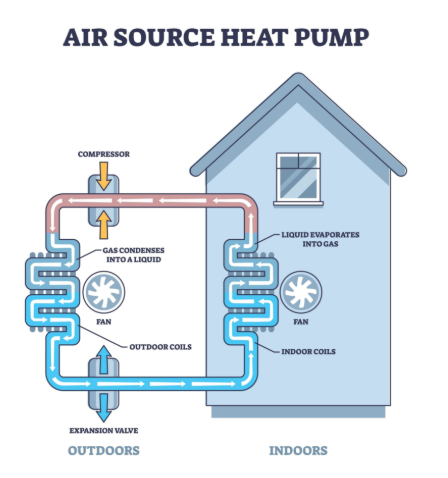
See More Knowledge on Heat Pumps Here!
Heating System Readiness Checklist
- Schedule Professional Inspection: Before the heavy use season, hire a qualified HVAC technician to inspect your furnace, boiler, or heat pump. They will clean key components, check for gas leaks, verify safety controls, and ensure overall system efficiency. This annual check-up prevents minor issues from escalating.
- Replace Air Filters: This is a simple but high-impact task you can do yourself. Change disposable air filters bi-monthly during the heating season (or as recommended by the manufacturer). A clean filter ensures optimal airflow, boosts energy efficiency, and improves indoor air quality.
- Maintain Clear Vents and Registers: Ensure all interior heating vents and registers are open and unobstructed by furniture or rugs. Also, check that the outdoor intake and exhaust vents for high-efficiency furnaces are clear of snow and ice accumulation throughout the winter.
- Optimize Thermostat Settings: Familiarize yourself with your thermostat. Consider upgrading to a programmable or smart thermostat if you haven't already. These devices allow you to automatically lower the temperature when you are away or asleep, significantly improving energy management and cutting utility costs without sacrificing comfort.
By prioritizing these maintenance steps, you ensure your heating system runs safely, reliably, and cost-effectively all winter long.
🌬️Identifying and Addressing Potential Air Leaks and Drafts
Air leaks and drafts are major culprits in home energy loss, undermining your heating system's efforts and driving up utility bills. Identifying these hidden gaps and sealing them is a highly effective way to maintain a comfortable indoor environment and boost energy efficiency.
Finding and Sealing Air Leaks
- The Simple Draft Test: You can easily locate leaks using a simple technique. On a windy day, slowly move a lit candle or an incense stick near common leak points (windows, doors, electrical outlets, utility penetrations). If the flame flickers erratically or the smoke drifts inward or outward, a leak is present.
- Target Key Areas: Focus your sealing efforts on the spots where two different materials meet, especially: The frames and sashes of windows and doors. Where baseboards meet the floor/wall. Around electrical outlets and light switch plates on exterior walls. Where pipes, vents, or utility lines enter the home (attic, basement).
- Manage Mail Slots and Pet Doors: These can be major sources of air leakage. Consider installing a tight-fitting closure or cover for mail slots, and ensure pet doors have effective magnetic or weighted seals to prevent cold air intrusion.
- Sealing Solutions: Use weather-stripping for gaps around moving parts, like operable windows and doors. Apply caulking to seal small, non-moving gaps, such as around window frames and utility openings. Install foam insulating gaskets behind electrical outlet and switch plates on exterior walls to stop drafts coming through the wiring box.
- Use Window Film: For older, single-pane, or drafty windows, apply plastic window shrink film kits. These kits create a sealed insulating air space between the window pane and the film, which significantly reduces heat loss and eliminates drafts for the winter season.
By eliminating drafts, you create a tighter building envelope that retains heat and significantly lowers your heating costs.
🧱Importance of Chimney and Fireplace Maintenance in Winter
For many BC homeowners, a fireplace or wood stove is a key source of warmth and ambiance. However, safe operation relies entirely on proper, consistent maintenance. Neglecting your chimney is a serious fire hazard. Learn about WETT Inspections.
Essential Maintenance and Safety Checks
- Annual Professional Cleaning and Inspection: This is the most critical step. Schedule a certified chimney sweep to inspect and clean your chimney every year, particularly if you use wood. They remove creosote (a flammable residue) buildup, which is the leading cause of chimney fires. They also check for cracks or structural damage that could allow sparks or smoke to escape.
- Check for Blockages: Before using the fireplace, ensure there are no blockages. Birds' nests, fallen leaves, or debris can obstruct the flue, preventing smoke and dangerous gases (like carbon monoxide) from escaping.
- Verify Damper Function: The damper is the metal plate or valve that seals the firebox when the fireplace is not in use. Before starting a fire, ensure the damper is fully open to allow for adequate airflow and prevent smoke from backing up into your home. Ensure it seals completely when closed to prevent heat loss.
- Prioritize Ventilation: If your fireplace is operating correctly, you should have a good, upward draw. If you notice smoke entering the room, or if you are using an airtight wood stove, ensure you have a fresh air source. This helps the fire draw properly and prevents the creation of a negative pressure that can pull air back down the chimney.
By adhering to a regular maintenance schedule, you can safely enjoy the warmth of your fireplace all winter long.
🚪Assessing and Securing Windows and Doors for Winter
Windows and doors are major sources of heat loss and drafts, significantly impacting your indoor comfort and raising heating bills during the cold season. Taking time to inspect and seal these entry points is crucial for maximizing your home's energy efficiency.
Inspection and Sealing Checks
- Check Seals and Frames: Inspect all windows and door frames for cracks, deterioration, or gaps. Over time, the caulking and sealing around frames can wear out, creating entry points for cold air. Scrape out old, cracked caulk and reapply fresh, exterior-grade sealant where the frame meets the siding or wall.
- Upgrade Weather-stripping: Check the weather-stripping around the moving parts of doors and operable windows (sashes). Worn-out, flat, or brittle stripping should be replaced. New, resilient weather-stripping ensures a tight seal when the window or door is closed.
- Install Door Sweeps: For exterior doors, especially those leading to unheated spaces, install or replace the door sweep at the bottom. This flexible strip covers the gap between the door bottom and the threshold, effectively preventing drafts.
- Enhance Window Insulation: For older or single-pane windows, consider adding an extra layer of protection: Storm Windows: These are mounted on the exterior and create an insulating air pocket. Window Film Kits: These plastic kits are applied to the interior frame and shrunk tight with a hairdryer, creating a sealed, insulating layer of air for the winter months.
- Use Window Coverings: Utilize heavy, insulating curtains or blinds during the night or on cloudy days. Keeping these drawn acts as an extra thermal barrier against the cold glass, significantly reducing radiative heat loss.
By prioritizing the sealing of windows and doors, you create a more comfortable, draft-free home environment while significantly reducing the load on your heating system.
✅ Feeling Confident: Your Home is Ready for Winter!
You've done the hardest part: educating yourself on every critical area of winter home maintenance! From top to bottom, you now know how to tackle potential risks, whether it’s preventing freeze damage in the pipes, managing snow load on the roof, or boosting insulation and efficiency.
Embrace the Winter with Peace of Mind
Taking proactive steps now is more than just property protection—it’s an investment in your complete peace of mind. As you implement the checks and improvements outlined in this guide, you are ensuring your BC home remains:
- Safe and Secure: Protected from costly structural and water damage.
- Comfortable: Warm, draft-free, and energy-efficient.
You are now well-equipped to face the colder months! If you need specific products or local expertise, remember that your local hardware stores and certified BC tradespeople are excellent resources for the materials and specialized help required to finalize your winter preparations.
FAQs - Winterizing a Home n BC
What are some common seasonal maintenance tips for BC homes in winter?
Some common seasonal maintenance tips for BC homes in winter include checking for freeze damage, monitoring roof snow load, ensuring proper insulation, and maintaining proper drainage.
How can I prevent freeze damage in my BC home during winter?
To prevent freeze damage in your BC home during winter, you can insulate pipes, seal any cracks or gaps in the foundation, and keep the thermostat set to a consistent temperature to prevent freezing.
What should I watch for in terms of roof snow load in my BC home during winter?
In terms of roof snow load in your BC home during winter, it's important to monitor the amount of snow accumulating on the roof and remove excess snow if necessary to prevent structural damage.
How can I ensure proper insulation in my BC home during winter?
To ensure proper insulation in your BC home during winter, you can check for drafts around windows and doors, add insulation to the attic and walls if needed, and consider using weather-stripping or caulk to seal any air leaks.
What are some tips for maintaining proper drainage in my BC home during winter?
Some tips for maintaining proper drainage in your BC home during winter include clearing gutters and downspouts of debris, ensuring that the ground slopes away from the foundation, and installing a sump pump if necessary to prevent water buildup.